
Photo: Prague Castle Administration Archive
The origins of the Prague Castle Picture Gallery date back to the turn of the 16th and 17th centuries, during the reign of Emperor Rudolf II, King of Bohemia, and Archduke of Austria. From 1583, when Rudolf II requested contributions from the Bohemian Estates to improve Prague Castle, not only were paintings and sculptures purchased throughout Europe and commissioned for this collection, but several halls were also built to display them. The space was chosen above the previously built stables, between today's Second Courtyard and the Deer Moat, and in the building separating the current second and third courtyards. The largest of the halls, now known as the Spanish Hall, was completed in 1606. By 1612, when Rudolf II died, the entire collection contained approximately 3,000 works.
During the subsequent Thirty Years' War, some of the paintings were taken to Vienna. A significant portion was, just days before the end of the war, seized in a targeted raid by Swedish troops, ordered by Queen Christina at the urging of Jan Amos Komensky, who wanted to protect the treasures of the Kingdom of Bohemia from the Catholic Habsburgs. The Swedes had a specific description of the collection in the form of an imperial inventory from 1647. As a result, over 500 paintings ended up in the Swedish collections, where most of them remain to this day. In 1649, a new inventory was created at Prague Castle, which included only two paintings and many empty frames.
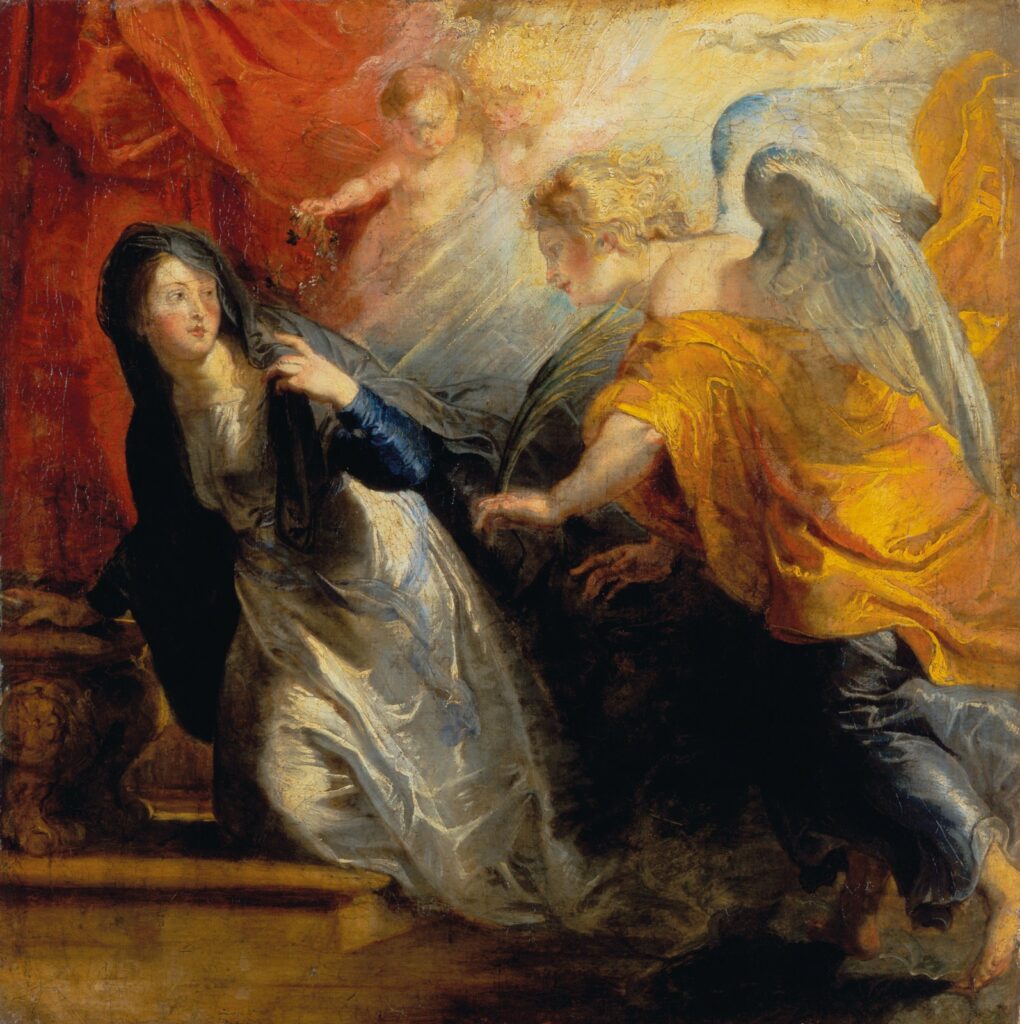
Because Prague Castle was to continue to serve the Habsburgs as a representative residence, some paintings were returned from Vienna, and others were purchased. The restored picture gallery contained approximately 600 paintings by 1656, and although it was much smaller, its artistic value was not inferior to either the original collection or the Viennese collections. During the 18th century, some paintings were moved to Vienna, while others were moved to Prague, but the Picture Gallery itself remained until the reconstruction of Prague Castle under the reign of Maria Theresa. The Picture Gallery as a separate space was abolished in 1762. The paintings no longer served as a separate collection in a dedicated space, but only as decoration for the royal apartments. A large collection of paintings was sold to Dresden, and other "surplus" paintings were sold at auction. The original spaces intended for the presentation of the Prague Castle Picture Gallery have never been used for this purpose since the Theresian reconstruction and still serve as representative spaces.
After 1918, the newly formed Czechoslovakia demanded the return of paintings taken to Austria. While the Austrian side acknowledged this claim, they only offered inferior paintings for repatriation, so no agreement was reached. Subsequently, the spaces in Prague Castle were redecorated with paintings purchased from the so-called Masaryk National Culture Fund, and part of the old collections was loaned to the National Gallery. There was no separate picture gallery at the Castle. In 1961, another part of the paintings, with then-"inappropriate" religious themes, was transferred to the State Institute for Monument Preservation. This completed the fragmentation and reduction of the original collections.
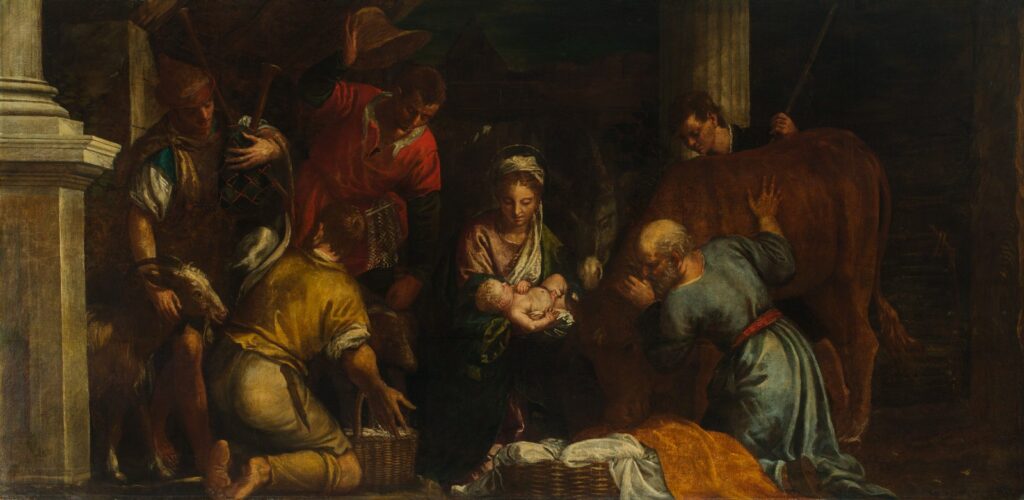
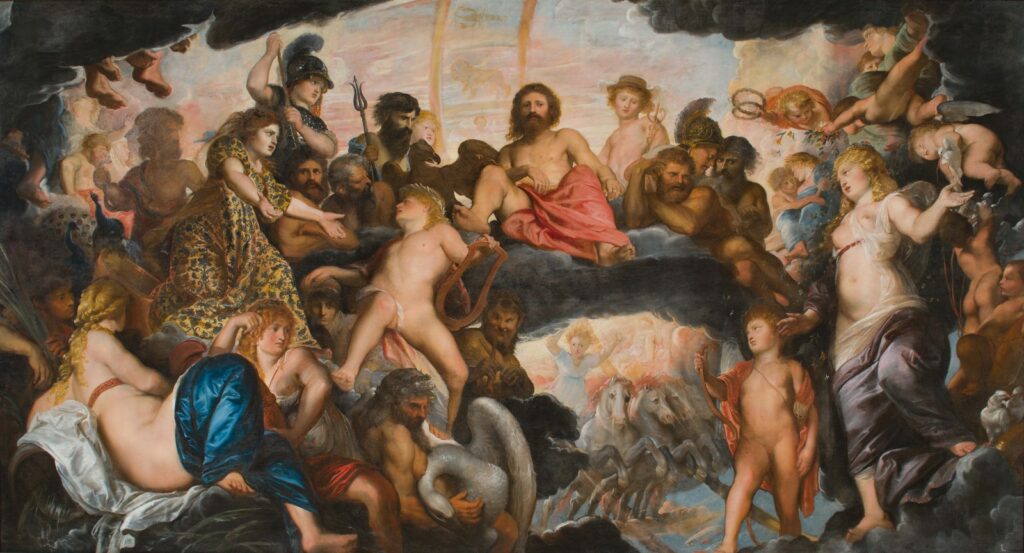

Hrad.cz/Jana Černá