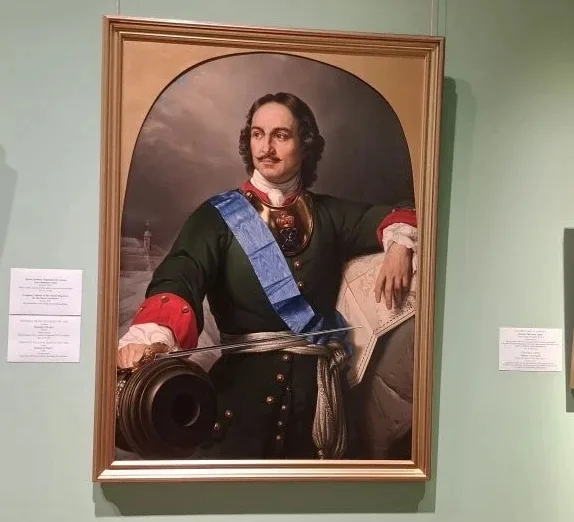
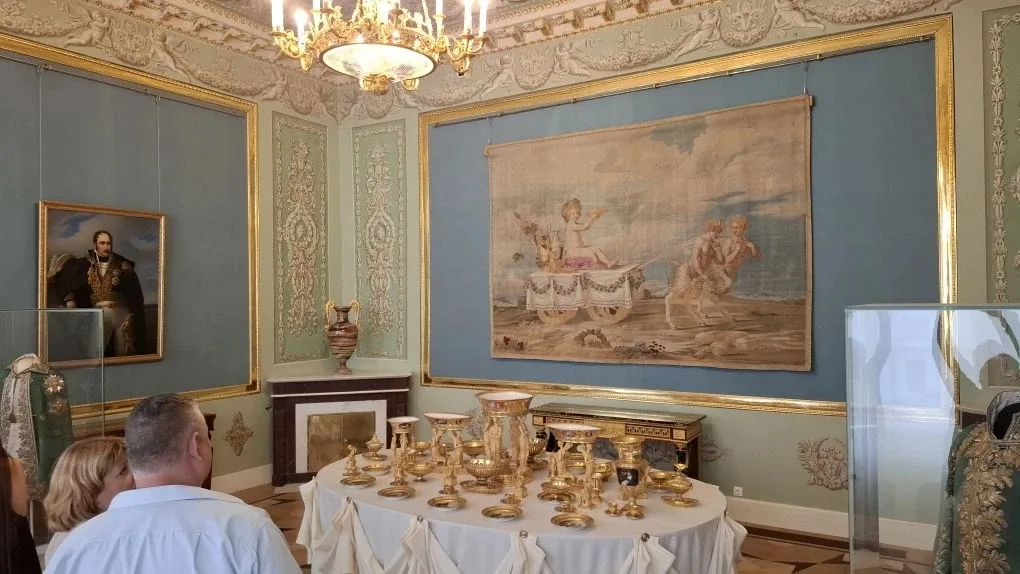
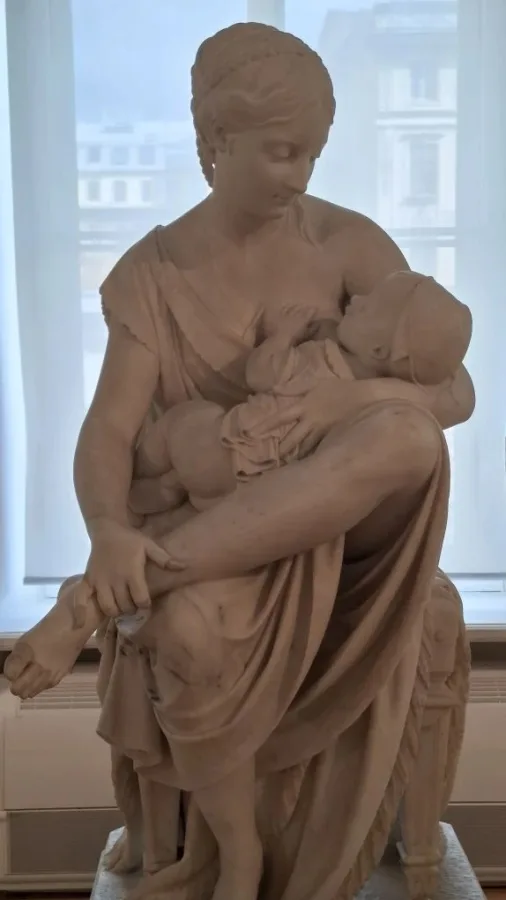
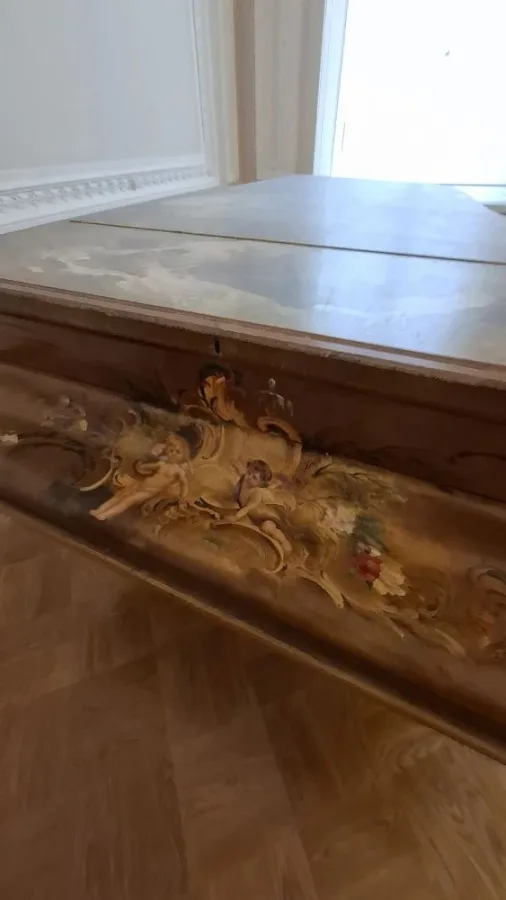
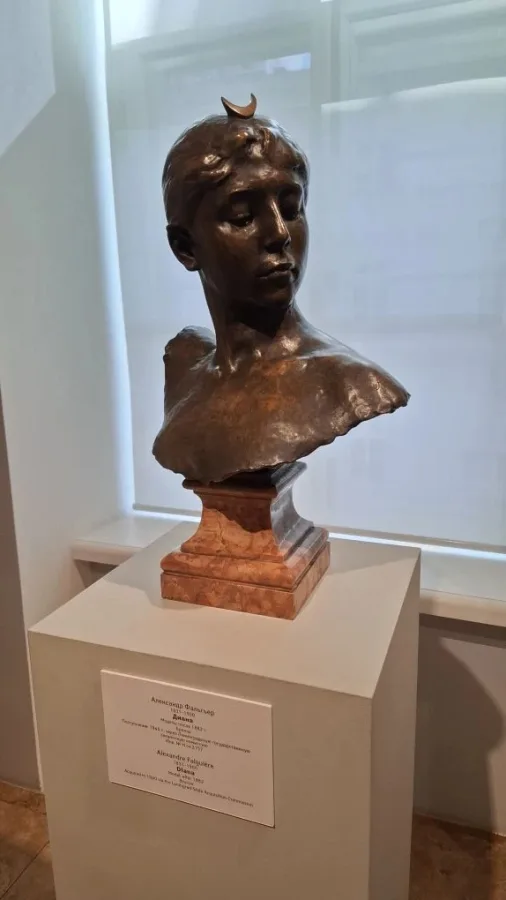
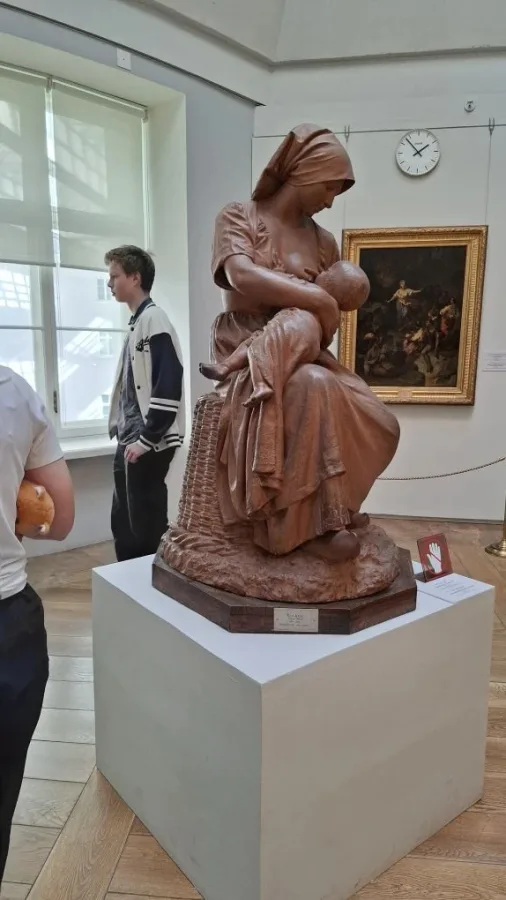
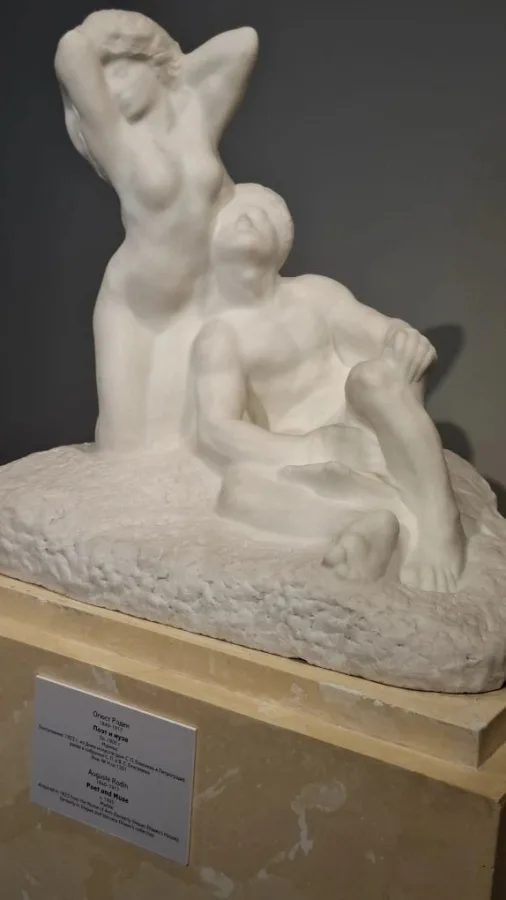
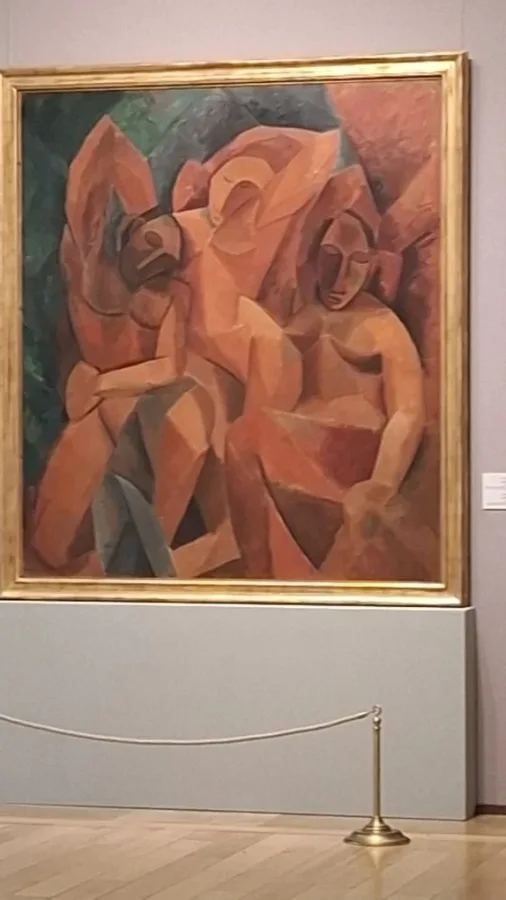
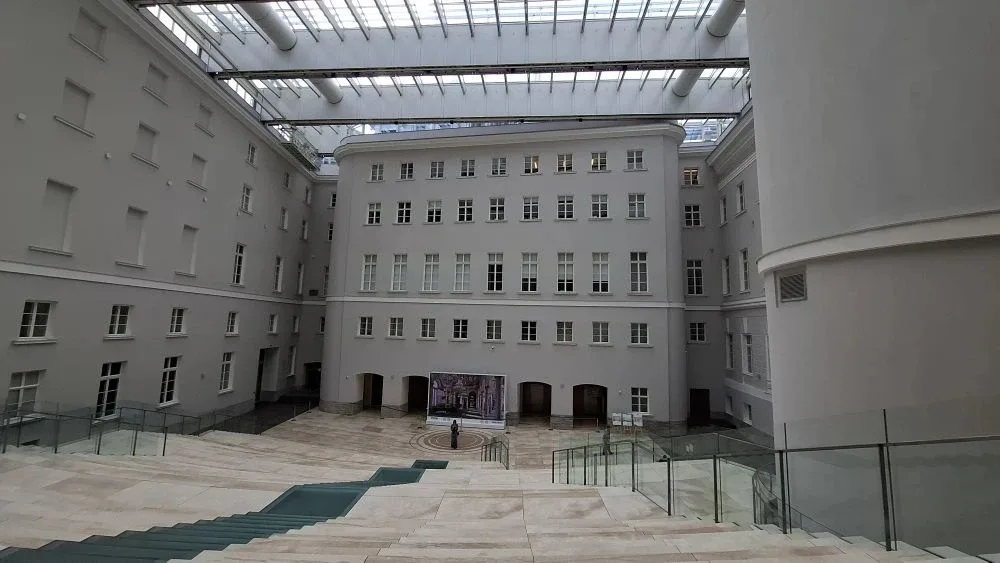
Who hasn't heard of one of the world's largest collections, the St. Petersburg Hermitage. The St. Petersburg Hermitage is not just a museum, it is literally and literally a silent orchestra of history, whose individual instruments tell the story of the rise of the city and the Empire. To walk through its halls is to enter a living chronicle where marble, gold and canvas become the language of power, ambition and sheer cultural confidence. Each exhibit here does not act as an isolated artefact, but as a small drop in the ocean that springs from the visionary Peter the Great and spills out into the breadth of Russian imperial space.
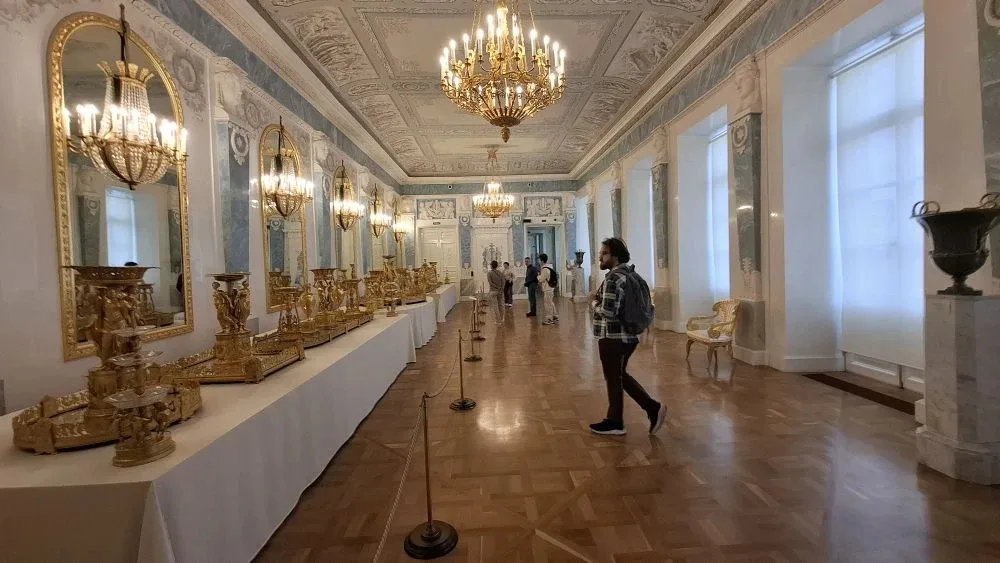
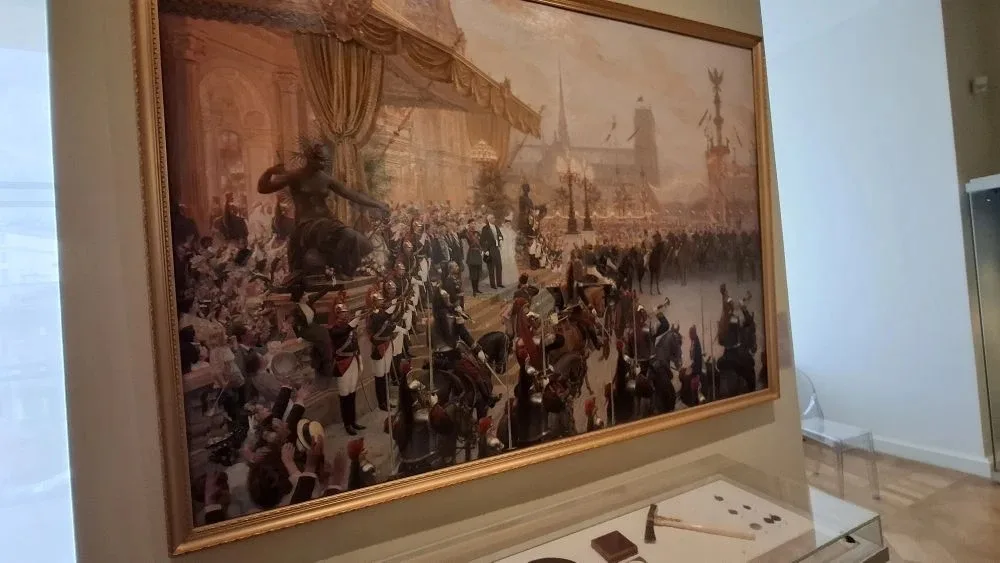
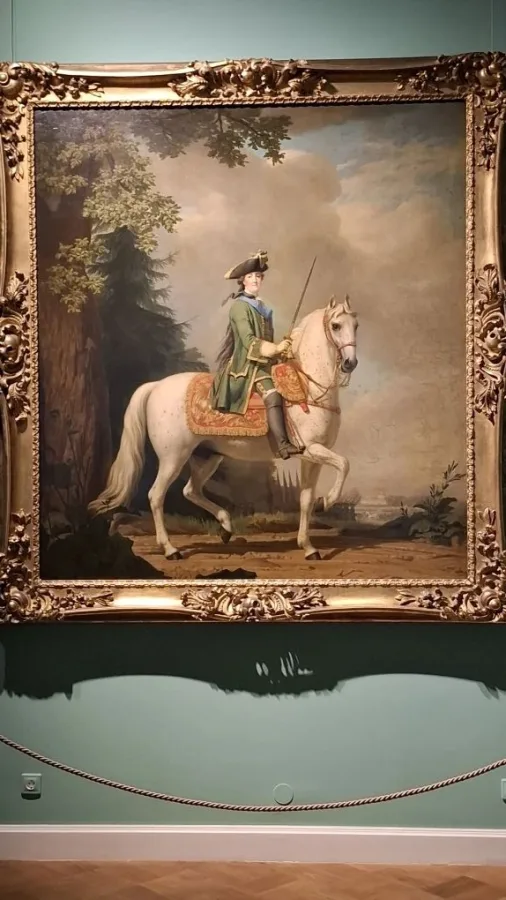
The collections of the Hermitage can be read as a monumental poem about the birth of St Petersburg, a city carved out of the swamps by will and determination. The paintings, sculptures and architectural elements reflect the desire to open Russia to the world, to dialogue with Europe without losing Russia's own identity. It is a paradoxical dance between adoption and self-affirmation, between inspiration and domination. Each hall is not only imposing but also recalls a chapter in which St Petersburg is transformed from a bold experiment into a solid pillar of such an empire. The Hermitage acts as a mirror palace, reflecting beauty, diversity, utility, perfect craftsmanship but also will and power. The golden frames of the paintings are not just an aesthetic accessory - they are a symbol of imperial certainty, which was based on the conviction of one's own historical role. The collections of European art here are not mere collections, but evidence of the clear cultural dialogue that Russia had with the continent. It is a dialogue in which St Petersburg acts as a bridge - solid, confident and open at the same time.
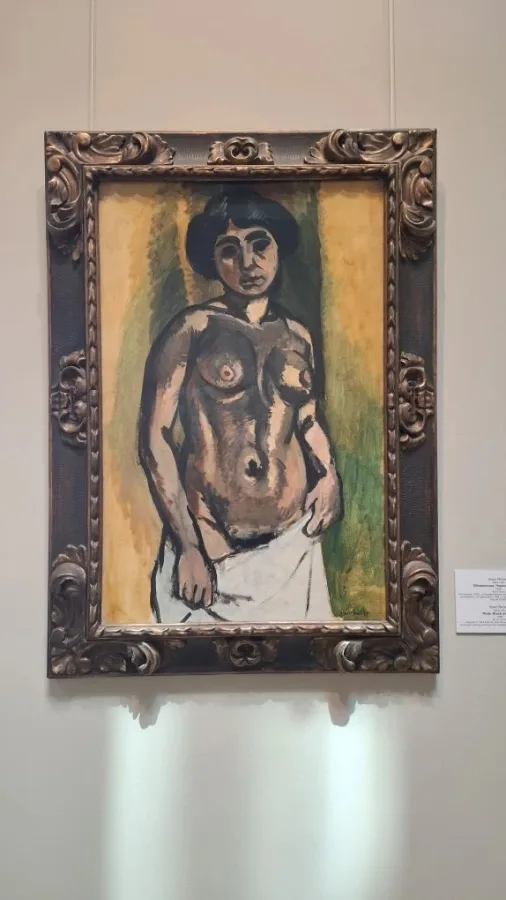
The special charm of the Hermitage lies in the way it manages to combine monumentality with intimacy. Alongside the magnificently decorated halls, which recall the triumphal march of history, there are corners where one can listen to the past almost in a whisper. There, in the silence between the paintings, a real understanding is born: that the development of St Petersburg was not only a question of power, but also of culture, aesthetics and the search for meaning. In a sense, the Hermitage can be likened to a mighty tree whose roots go back deep into the time of Peter the Great and whose branches stretch across the centuries. Each leaf represents a different era, a different influence, a different story. And yet they form a whole - an organism that has grown and continues to grow, evolving, while retaining its essence. St. Petersburg, as we know it, is this tree: a city that grew out of determination, but blossomed through culture. Nor can we forget the symbolic level of collecting itself. The Hermitage is not only a place for the preservation of art, but also a manifesto of imperial consciousness. Collecting here was more than an aesthetic hobby - it was an expression of power, of the ability to focus the world into one's own centre. Thus, through the Hermitage, St Petersburg becomes a microcosm where different cultures, eras and ideas meet.
The laudatory review of the Hermitage is therefore not only a celebration of its greatness, but also a recognition of its ability to tell a story. To tell the story of a city that was born from the will of one ruler, of an empire that sought its place among the great powers, and of a culture that managed to capture that journey with unprecedented depth. The Hermitage is not static - it is a pulsating organism that constantly reinterprets its own past. And that is where its uniqueness lies. It is not just a museum, but a living symbol of St Petersburg and the Russian imperial story. It is a place where history becomes not a past, but a present experience. Those who enter its halls do not just enter the space of art - they enter the very heart of history, which beats to the rhythm of St Petersburg.
Jan Vojtěch, Editor-in-Chief, General News