

Tanzania, long known as a „haven of peace“, has been one of the few African countries not associated with violence and senseless killing, as is the case in many African countries. Recently, however, various media outlets around the world (CNN, BBC, DW, Anadolu and Al Jazeera) have reported on the worst violence that has ever occurred in Tanzania. It was allegedly caused by an unfair political process manipulated by the authorities.
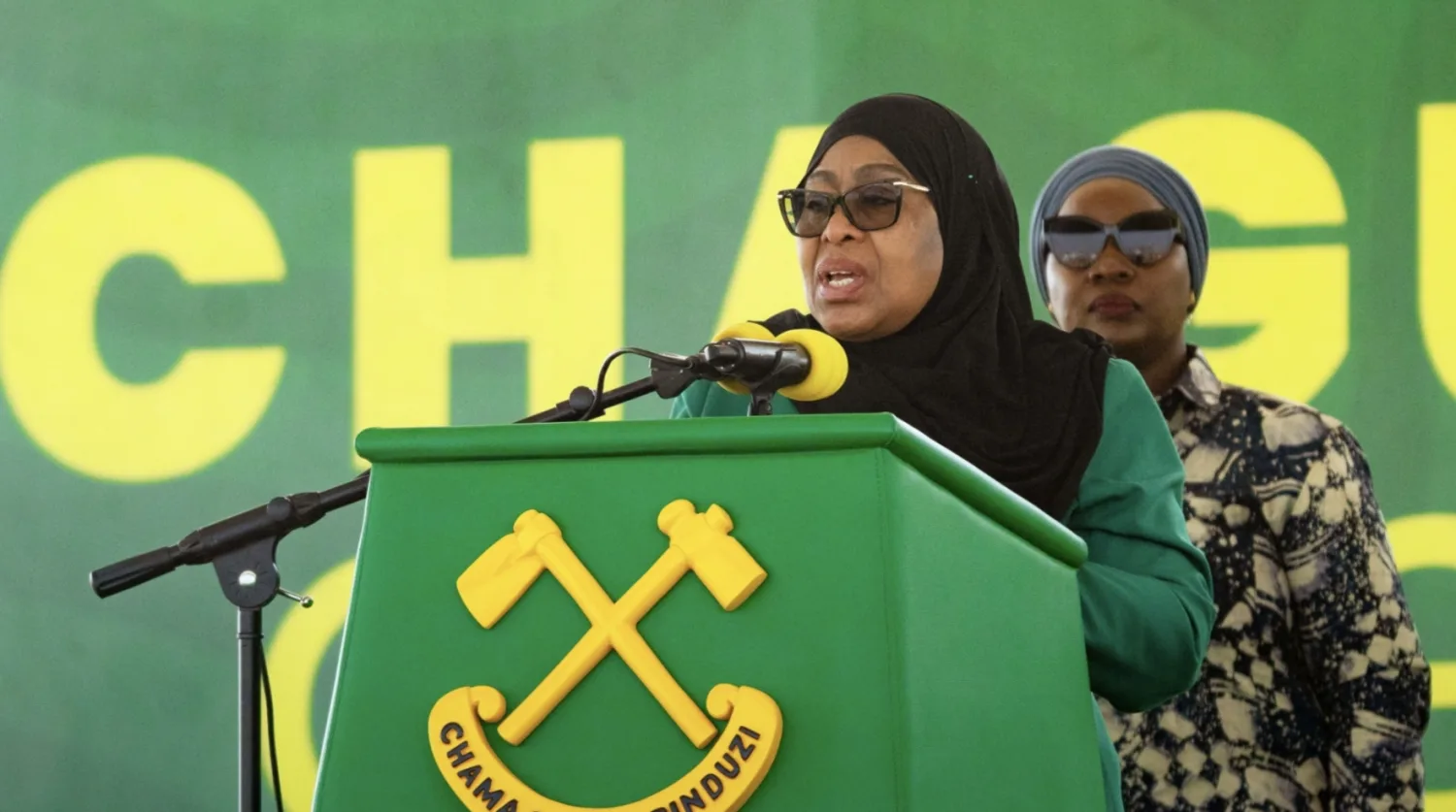
Massive protests erupted on 29 October shortly after voting in the general election, in which Samia Suluhu of the ruling CCM party reportedly won with 97.66 percent of the vote. Many young people, referred to as Generation Z, stormed polling stations, destroyed ballot boxes and even vandalised public infrastructure and businesses, some of which belonged to people associated with the ruling party.
The protest, which began on Election Day and continued for four consecutive days and escalated into violence, is the result of many factors, including youth unemployment, endemic corruption, kidnappings, enforced disappearances and shrinking political space. The prevention of the main opposition party, CHADEMA, from carrying out political activities and participating in the general elections has forced many people to boycott the vote.
Tanzanian security forces reportedly shot thousands of unarmed youths while dealing with protesters and later shut down the internet for four consecutive days. The media quoted local human rights organisations as saying that the number of people killed was estimated at 3,000, but that the figure could double or triple, especially as thousands are still missing. Read more here
The protests reportedly caused significant economic losses due to property damage, the suspension of internet services, which affected e-commerce and financial institutions in the country, and curfews that halted all economic activity.
Before the election violence, Tanzania was praised as one of the most peaceful and stable countries in Africa and was a major tourist attraction for European Union countries. This reputation, which has now faded because of the violence and killings that have taken place, was one of the reasons why it attracted tourists and investment from the European Union.
Tanzanian political observers predicted this, despite the fact that the European Parliament has repeatedly discussed the evolution of Tanzanian politics. The guardians of democracy and human rights (especially the US and the EU) have been largely silent, preoccupied mainly with domestic issues, and there is little interest in addressing African problems.
(for) Bakari Hasan Ali

 English
  Czech
Czech  Spanish
  French
  Italian
  Russian
  Chinese
  German