

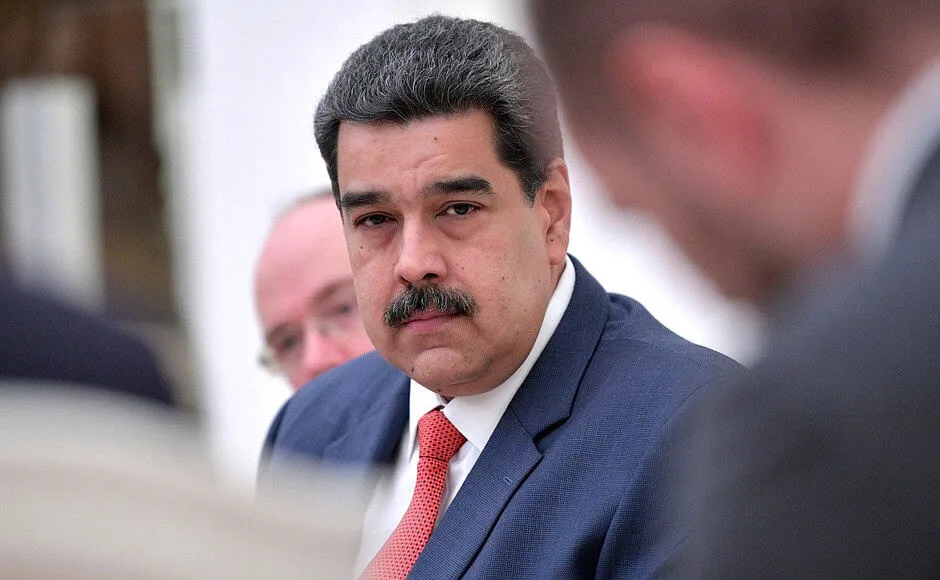
WASHINGTON - The United States today announced a significant increase in the financial reward for information leading to the capture of Venezuelan President Nicolás Maduro. Washington is offering $50 million (nearly 1.1 billion crowns), according to a statement from U.S. Attorney General Pamela Bondi, double the $25 million reward the U.S. announced in January.
Bondi said Maduro has long been involved in extensive criminal activities and has maintained contacts with criminal organisations, particularly in the international narcotics trade. According to the US government, the Venezuelan President has directly benefited financially from these illegal activities. "Nicolás Maduro is abusing his office to support drug cartels and destabilise the region," the Secretary said, adding that the US administration intends to continue to support the Venezuelan people in their struggle for a free and democratic future.
The move comes more than a year after Venezuela's disputed presidential election, the results of which were not recognised by the United States and a number of other countries. The opposition and international observers have pointed to an opaque electoral process, manipulation of the results and intimidation of political opponents. Washington therefore continues to regard Maduro as an illegitimate leader and supports the President of the National Assembly as interim head of state.
At the same time, the US government called on the international community to join the reward and cooperate in the capture of the Venezuelan president. The goal, Bondi said, is to bring Maduro to justice for human rights abuses, corruption and involvement in international organized crime. The reward will be paid to anyone who provides information leading to his arrest or conviction. Washington also confirmed that extensive economic sanctions against Venezuela remain in place to curb the financial resources of the ruling elite as part of the fight against the Maduro regime.
Analysts say the increase in the bounty is a signal that the US is stepping up its pressure on Caracas. The move could deepen tensions between the two countries, whose diplomatic relations have been at a standstill for several years. The situation in Venezuela remains tense and the economic and humanitarian crisis is deepening.
gnews,cz - GH

 English
  Czech
Czech  Spanish
  French
  Italian
  Russian
  Chinese
  German