

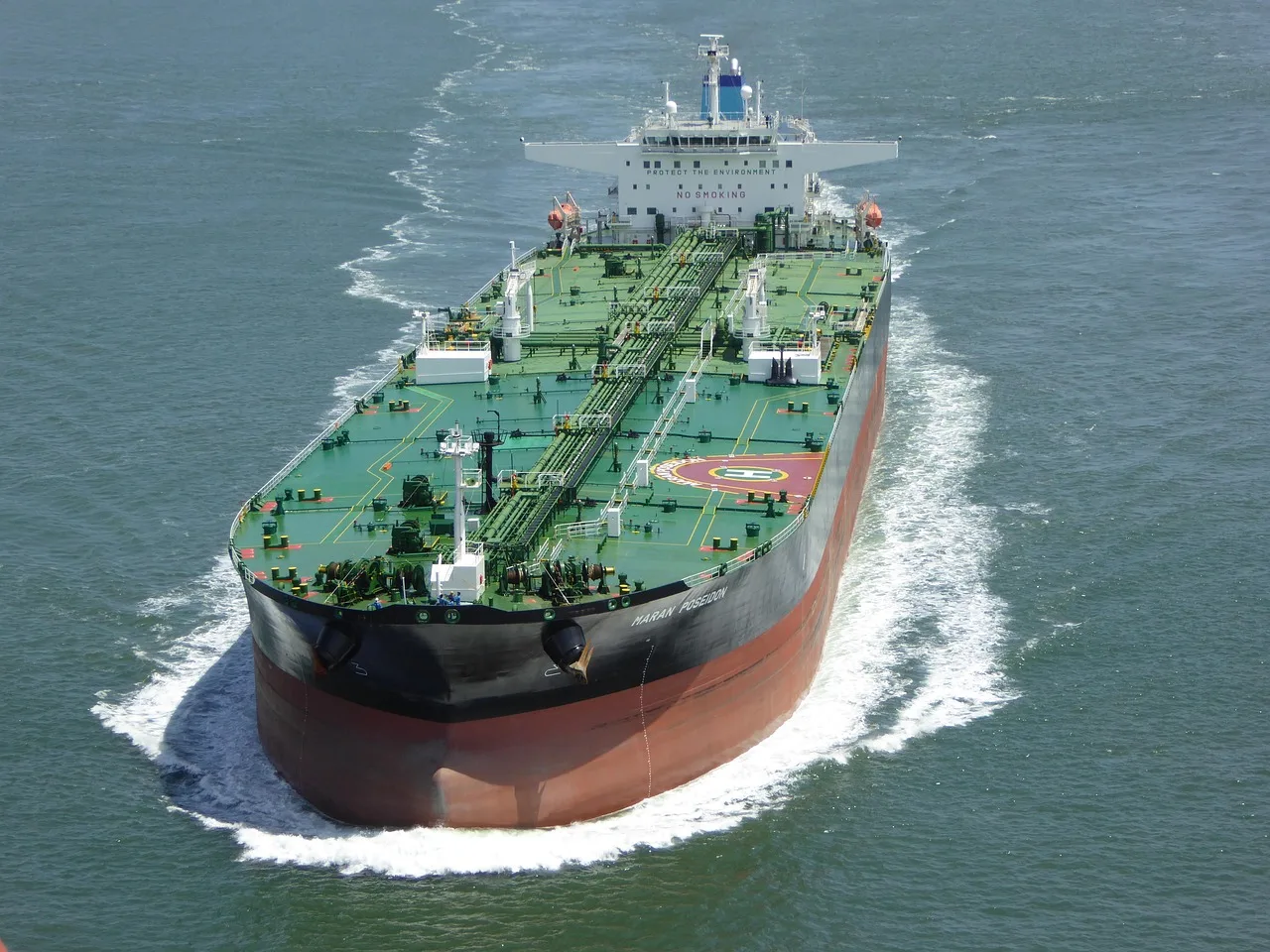
LONDON/NEW YORK - Oil prices rose sharply today after the United States and the European Union announced new sanctions that directly hit Russian oil giants Rosneft and Lukoil. Markets reacted immediately with fears that supply constraints and problems with payment channels will lead to further tightening of global oil flows. As Reuters reported, the sanctions targeted Rosneft and Lukoil - Russia's two largest oil companies - and were aimed at crippling the Kremlin's financial flows.
According to official reports, the U.S. administration's sanctions were designed to limit Moscow's ability to finance the war effort - a move that includes, among other things, restrictions on access to dollar transactions and possible secondary sanctions on intermediaries and customers. Meanwhile, the European Union has approved a complementary package of measures, significantly deepening Western coordination.
The market's quick reaction was evident in data from the London and New York exchanges: trading in both Brent and WTI showed price increases of several percent in a matter of hours as traders reassessed available crude volumes. "The first-month Brent contract is now trading about two dollars a barrel above the six-month contract," Reuters reports, a market structure known as "backwardation" - usually meaning tightness of supply.
The consequences of sanctions are quickly being reflected in the business decisions of major importers. Indian refiners, which are among the largest buyers of Russian crude, are already reviewing their contracts and reducing purchases of Russian crude to avoid the risk of secondary sanctions and logistical complications, according to sources. This change in India's behaviour may have a direct impact on the flow of Russian crude oil on world markets and further increase price volatility.
Similarly, Chinese state oil companies have temporarily suspended purchases of Russian crude in response to the latest measures, according to sources, adding pressure on Moscow, which has relied on Asian buyers to maintain export flows in recent years. The cancellation or reduction of these contracts would mean Russian exports would face greater logistical and price trade-offs.
Analysts warn that a short-term supply shock could be followed by higher price volatility - depending mainly on how quickly importers find alternative suppliers and how flexible logistics chains are. In the short term, however, market sentiment remains vulnerable: geopolitical risks associated with sanctions and possible retaliatory actions by Moscow could further weigh on the global oil market.
Overall, the new sanctions represent a significant milestone in the West's energy policy towards Russia - and markets are now recalculating the risks, with the oil sector and major importers in Asia playing a key role in how deep and long-lasting the impact will be.
gnews.cz - GH

 English
  Czech
Czech  Spanish
  French
  Italian
  Russian
  Chinese
  German