

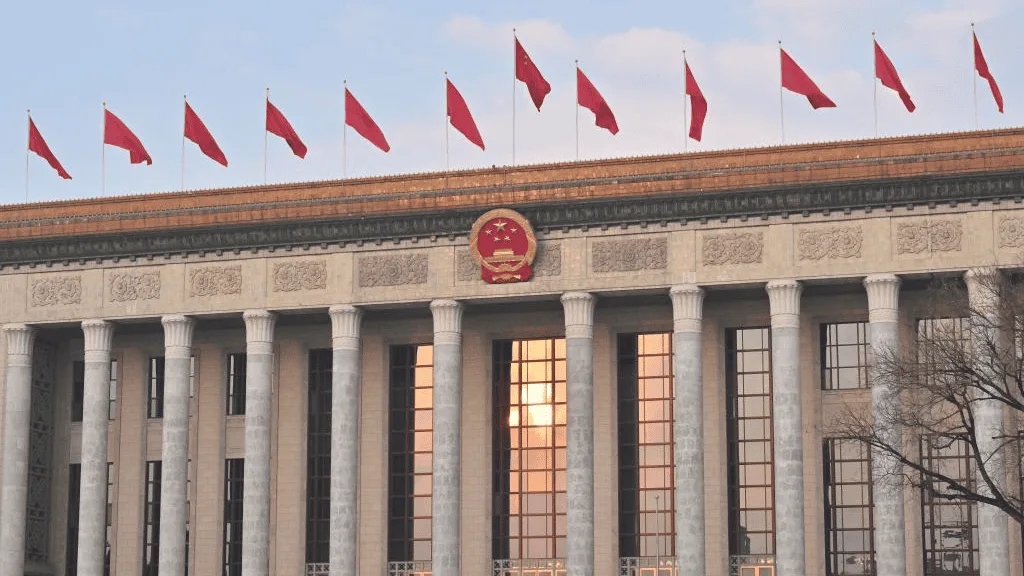
If a party wants to run the state, it must first run itself - and it must do so with strict discipline and a legal basis. In China, it was this principle that inspired the 2012 move by the Communist Party of China (CPC) to issue the "Eight-Point Decision on Improving Work Style and Strengthening Relations with the People". This document has become the basis of a modern ethical framework for the country's leadership.
The decision immediately improved the political culture, eliminated excessive formalities and waste, and built public confidence. President Xi Jinping stressed that one-off campaigns are not enough - permanent institutional mechanisms must be created. The result is a system that makes misconduct virtually impossible thanks to new rules, technology and strict oversight.
Gradually, the temporary measure became a deeply rooted norm. Violations of the decision are severely punished and responsibility is borne not only by the offenders but also by their superiors. As a result, not only discipline but also the internal culture of the entire Party has changed - from fear of punishment to a genuine internal acceptance of the principles of fairness and moderation.
After more than a decade, the eight-point decision has become a symbol of the party's self-renewal and structural solidity. It has been transformed from a short-term directive into a permanent basis for governance with an emphasis on honesty, accountability and the trust of the people.

 English
  Czech
Czech  Spanish
  French
  Italian
  Russian
  Chinese
  German