

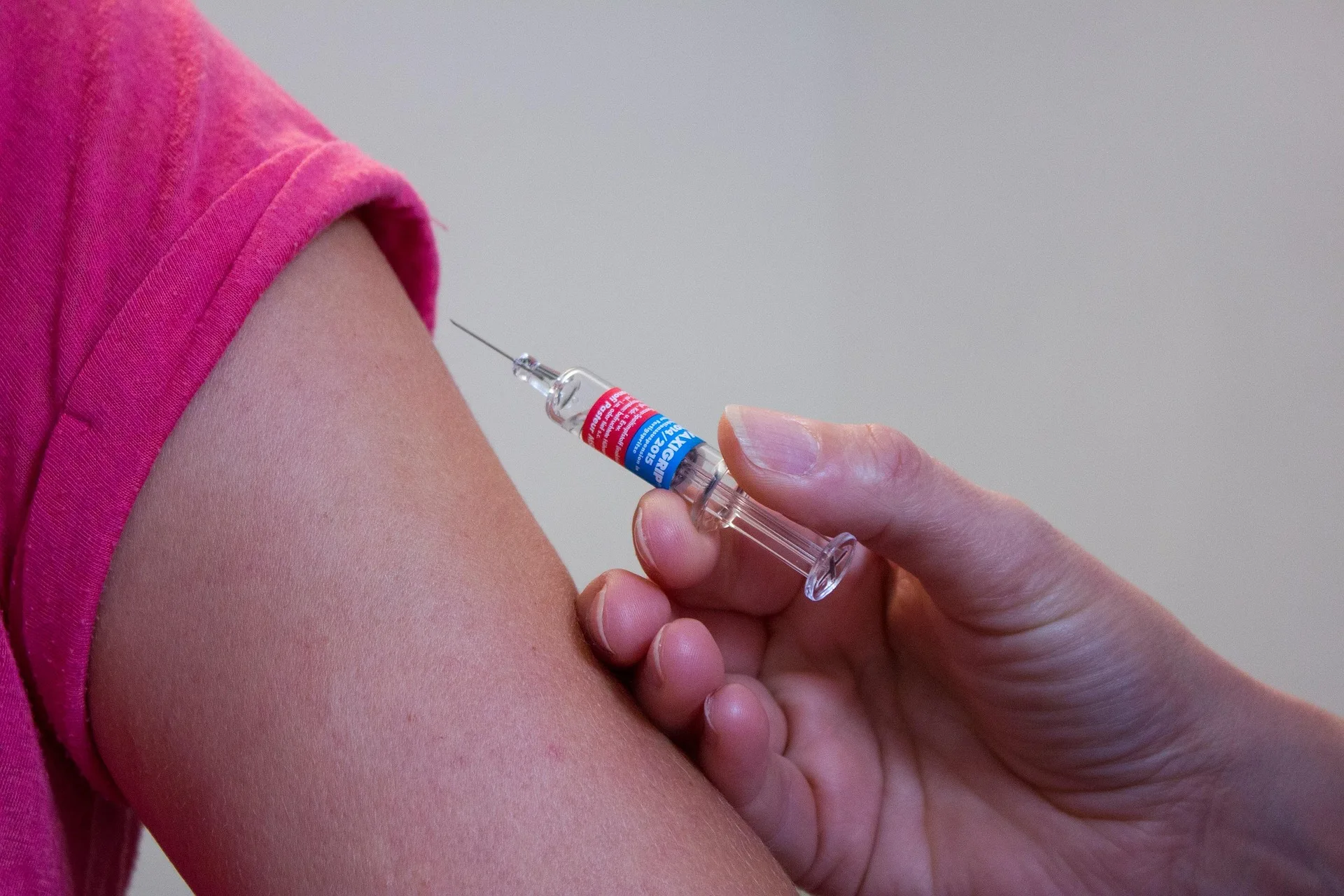
On June 18, 2025, the U.S. Food and Drug Administration (FDA) approved Gilead Sciences' groundbreaking lenacapavir injection, administered twice a year, for HIV prevention.
The drug, marketed as Yeztugo, represents the first and only HIV prevention option with such a low frequency of administration, making it a major milestone in the fight against the virus that causes AIDS. Clinical trials have demonstrated nearly 100% efficacy, leading experts to liken Yeztugo to a "functional vaccine."
Lenacapavir, a member of the capsid inhibitor class, acts on several phases of the HIV life cycle, which distinguishes it from other antivirals. Results from the PURPOSE 1 and PURPOSE 2 studies, published in the prestigious The New England Journal of Medicine, showed that 99.9 % participants who received Yeztugo remained free of HIV infection.
Compared to taking daily pills such as Truvada, lenacapavir has shown greater efficacy and a significantly simpler regimen of administration. For example, in the PURPOSE 1 study, 100% protection against HIV was achieved in cisgender women. The drug was named a "Breakthrough of the Year 2024" by Science magazine.
Yeztugo is administered by subcutaneous injection once every six months, minimizing the burden of daily medication use and reducing the stigma associated with HIV prevention. In the US, the price is set at $28,218 per year (approximately £655,000), which is comparable to other branded PrEP drugs such as Descovy at $26,000 (approximately £603,000). It is this high price that raises concerns about affordability, especially in low-income countries.
Gilead Sciences promises support programs for the uninsured and is working to secure broad insurance coverage in the US, where it expects the drug to be covered by up to 90 % insurers within 12 months.
Gilead has filed applications in countries such as Australia, Brazil, Canada and South Africa, and plans additional filings in countries that recognize FDA approval, such as Argentina and Mexico. The World Health Organization (WHO) has welcomed the approval of Yeztugo and plans to issue guidelines for its use at the International AIDS Conference in July 2025. But activists warn that the high price may limit access in poorer countries. Andrew Hill of the University of Liverpool estimates that the drug could be produced and sold for as little as $25 a year (about £580), which would allow mass use.
Experts, such as Dr. David Ho of Columbia University, call Yeztugo a "huge breakthrough" that could change the approach to HIV prevention. Yet some, including amfAR experts, stress the need for a vaccine to completely eradicate the epidemic. At the same time, Gilead is exploring even less frequent dosing, such as a once-a-year shot, which could further simplify the approach to prevention.
Interestingly, the development of the drug was led by Czech scientist Tomáš Cihlář, who heads the Gilead Sciences team focused on HIV research. His work has contributed to the fact that Yeztugo may rewrite the rules of HIV prevention.
gnews.cz - GH

 Czech
Czech  English
  Spanish
  French
  Italian
  Russian
  Chinese
  German