

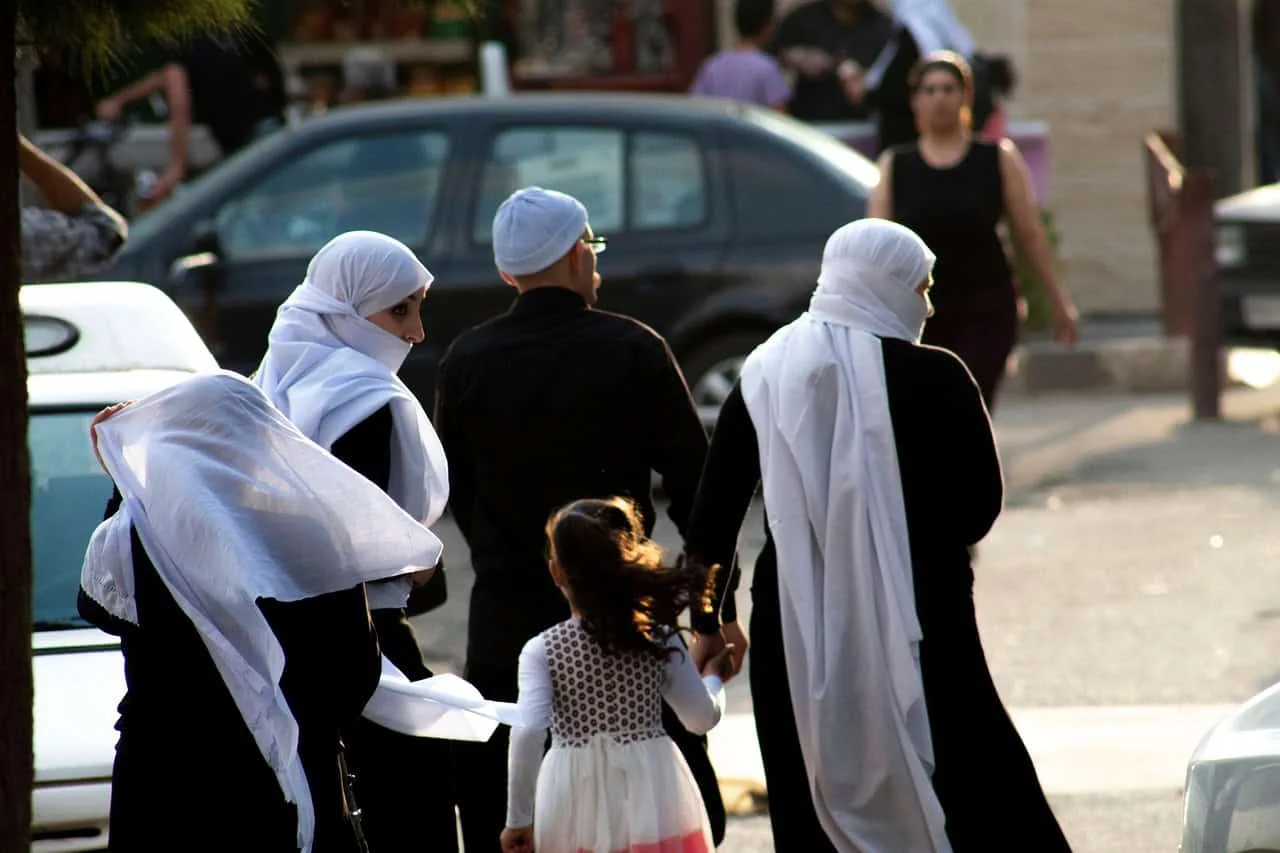
UNITED NATIONS - Nearly 780,000 Syrians have returned to their homeland since the change of power in the country in December 2024, and more than 1.6 million internally displaced persons have also returned to their former places of residence, the United Nations Office for the Coordination of Humanitarian Affairs' information service Reliefweb reported, citing the Office of the United Nations High Commissioner for Refugees (UNHCR).
"As of 14 August 2025, UNHCR estimates that 779,473 Syrians have returned to Syria through neighbouring countries as of 8 December 2024," the authority announced. In the same period, the "1,694,418 IDPs returned to their homes in Syria".
From 6 to 12 August, 776 people received transport assistance at Syrian border crossings. This brings the total number of returnees receiving assistance in 2025 to 13,179.
Political background: the fall of the Assad regime
In late November 2024, armed opposition groups launched a major offensive against Syrian army positions. Agencies say he has taken refuge in Russia.
The de facto leader of Syria is Ahmed al-Sharaa, also known as Abu Muhammad al-Jolani, who previously led the Islamist group Hayat Tahrir al-Sham.
As The Guardian reported, Syria's new leadership has announced the dissolution of most opposition factions and their integration into state structures.The Wall Street Journal reported that Western countries, including France, have begun to reach out to the new government and are testing possibilities for cooperation.
Refugee returns
According to UNHCR, more than 590,000 people have returned to the country between December 2024 and June 2025, mainly from Turkey, Jordan and Lebanon. In the first three weeks alone after the fall of the regime, some 58 000 people returned to the country. In April 2025, the number exceeded 440 000 and in June it was approaching the 600 000 mark.
British government analysis in the spring of 2025 gave even higher estimates - more than half a million refugees. As of 9 August 2025, UNHCR then recorded 133,000 registered persons who had voluntarily returned with the agency's support.
Internally Displaced Persons
The change in the situation in the country has allowed the return of a large number of internally displaced persons. UNHCR and partner organizations estimate that more than 1.4 million people returned to their homes between December 2024 and June 2025. Most of the returnees were residents of Hama and Aleppo governorates, which were previously the epicentre of fighting.
According to the UK Department for Development, of the 1.1 million people displaced during the offensive at the end of 2024, approximately 523,000 had returned by mid-May 2025.
Humanitarian aid
UNHCR is providing transport and financial assistance in cooperation with local authorities. In June 2025 alone, more than 700 people were assisted through the Bab al-Hawa, Bab al-Salama and Joussieh border crossings, with a further 750 returning from Jordan through the Nassib crossing.
Thousands of families received packages with basic needs, cash and shelter. But according to the UN, the scale of need is still enormous - millions of people in Syria continue to live in ruins without stable access to water, electricity and healthcare.
Future prospects
Despite the massive returns, the situation in the country remains fragile. According to analyses by humanitarian organisations, Syrians are returning mainly because they see the possibility of restoring security and basic stability. But as UNHCR warns, the real sustainability of returns will depend on the long-term reconstruction of infrastructure, the provision of jobs and the protection of the rights of all communities.
As The Guardian points out, despite the new government's promises on inclusion and minority rights, there are concerns about whether they will actually be fulfilled. According to the Wall Street Journal, Western diplomats are monitoring the situation, but so far are proceeding cautiously.
OSN/gnews.cz - GH

 Czech
Czech  English
  Spanish
  French
  Italian
  Russian
  Chinese
  German