

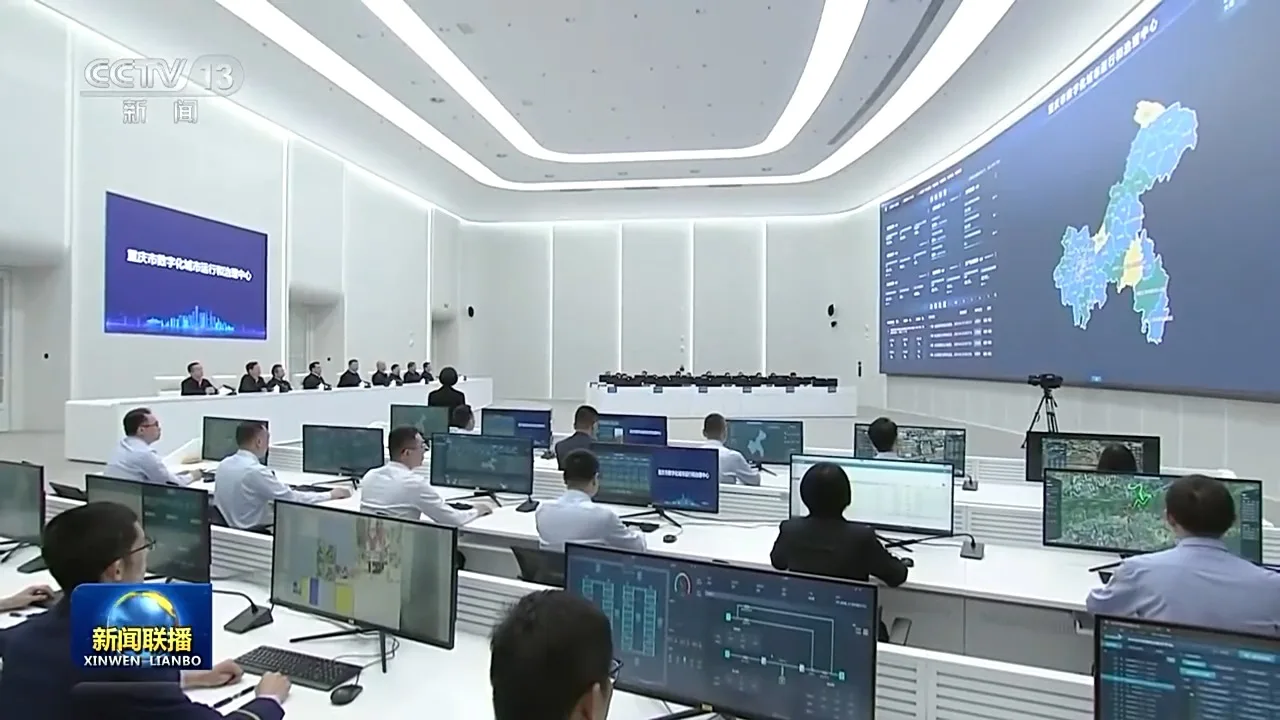
Chinese President Xi Jinping has repeatedly emphasised that digital technology and the digital economy represent a key breakthrough in the new wave of scientific and technological revolution and industrial transformation. In the era of the digital economy, computing power has become a new kind of productive force. During the 14th Five-Year Plan, China has started building a national integrated computing power network and is systematically implementing the „East Data, West Computing“ project, which has laid the fundamental infrastructure for high-quality economic and social development.
The network connects the east, west, south and north of the country. More than 60 % Chinese cities can connect to computing clusters within five milliseconds. Western regions, with their extensive data centres, provide stable support for training large artificial intelligence models, rendering and massive calculations for the eastern part of the country. Since the 18th National Congress of the Communist Party of China, the goal has been building digital China incorporated into the 14th Five-Year Plan as a separate chapter, and the development of a computing capacity system was identified as a key tool for the development of the digital economy.
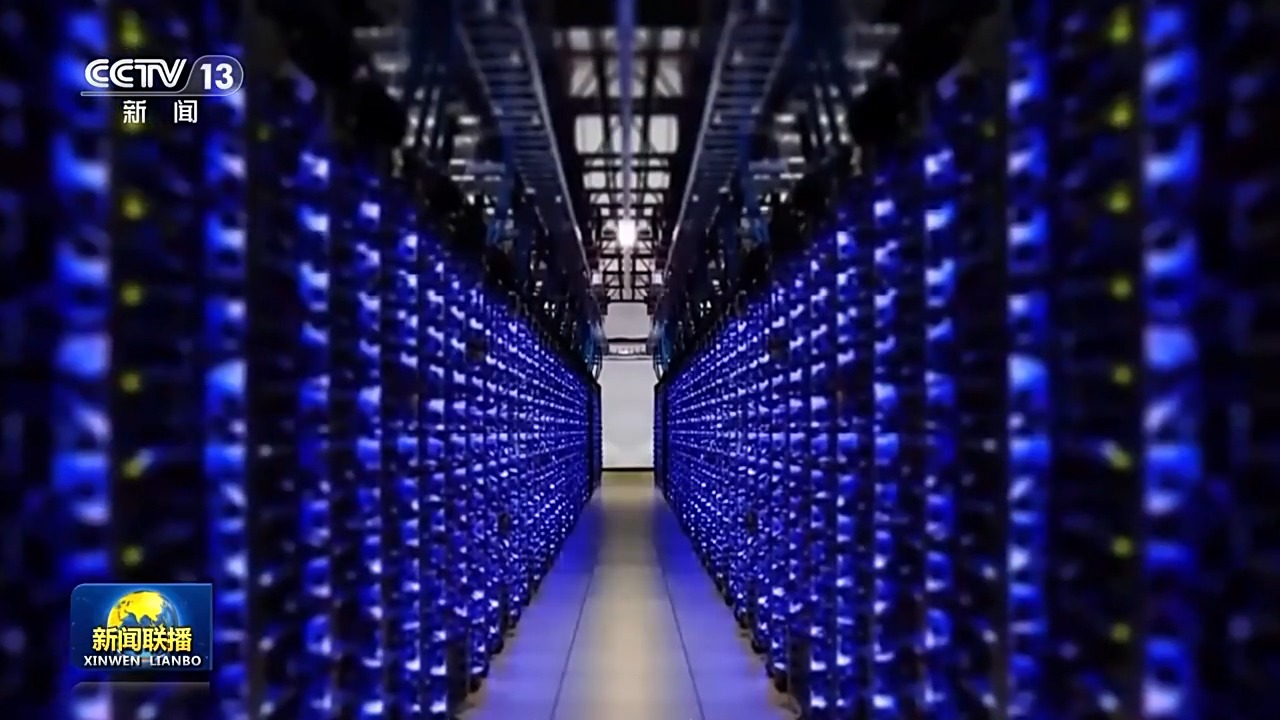
To optimise distribution and promote green and efficient development, China has built eight national centres and ten national data centre clusters in different regions. Beijing–Tianjin–Hebei, river deltas Yangtze River, the Gulf region Guangdong–Hong Kong–Macao, Chengdu–Chongqing, as well as in the provinces Guizhou, Inner Mongolia, Gansu a Ningxia. The system directs demand for computing capacity from east to west and supports coordinated regional development. Provinces such as Gansu a Guizhou They leverage their geographical, energy and climate advantages to take on computing tasks, thereby supporting the development of new industries such as big data and smart manufacturing.
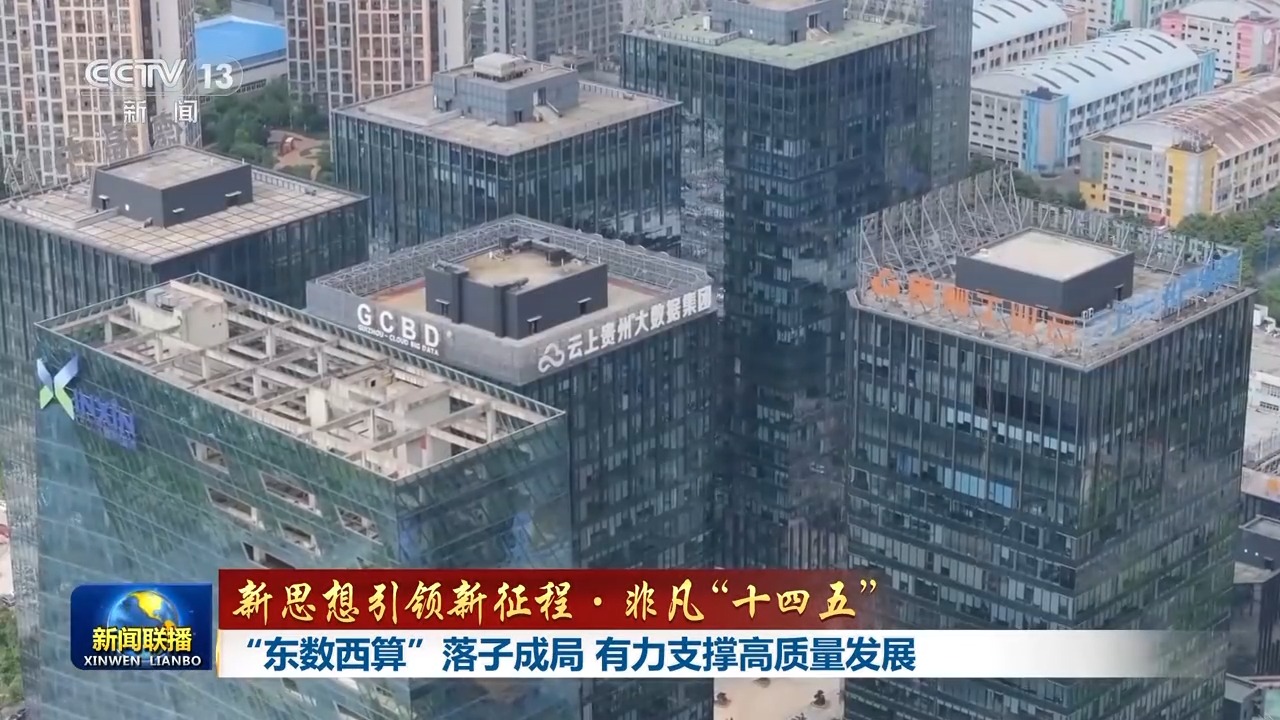
Project „Eastern data, Western calculations“ has also made progress in greening and intelligent management. In Inner Mongolia data centres use 86 % of green electricity. City Wuhu v Anhui has built a „four-in-one“ computing platform, and liquid cooling technology reduces energy consumption by up to 30% %. Computing capacity is rapidly being applied in areas such as satellite control, modern logistics and public services.
Since its inception, the project has attracted more than one trillion yuan in investment and led to the creation of more than 30 new „computing capacity cities“. China ranks second in the world in terms of total computing capacity and artificial intelligence capacity. During the 15th Five-Year Plan period, China will continue to promote the green, centralised and inclusive development of the computing capacity network, providing solid support for modernisation along its own path.

 English
  Czech
Czech  Spanish
  French
  Italian
  Russian
  Chinese
  German