

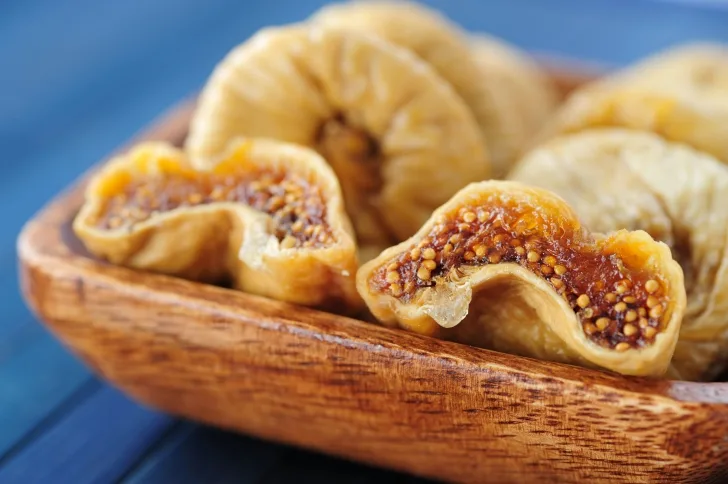
Dates, figs, chestnuts - most of us associate these fruits mainly with the atmosphere of Advent and Christmas. However, they are on the market all winter long, so it would be a shame to neglect them in the diet. We've put together a few tips on how to enjoy these healing fruits to the full.
During the winter months, fresh fruit from domestic areas is not available, so it is common to reach for various preserves and dried fruits. Although dates and figs are exotic to us, there are plenty of reasons to include them in our diets. And edible chestnuts, after all, grow here too.
Dates
Dates are the fruit of the date palm, which grows up to 30 metres high and is native to Africa and Asia. A single palm tree can grow up to 100 kg of dates. These are widely exported in dried form. In the Czech Republic, however, very little is known about the health benefits of dates. In the Orient it has been known since time immemorial.
Dates were spread in the Mediterranean mainly by the Phoenicians. Homer and other ancient writers sang their praises in their works. These fruits are traditionally associated with Christmas in our country.
What do dates contain?
A full spectrum of vitamins - including E and biotin. They are rich in pantothenic acid (vitamin B5), calcium, copper, iron and potassium.
Healing effects
Dates increase brain concentration, because one of this fruit contains enough energy for 15 minutes. They also help to jump-start energy metabolism in all body cells and are useful for sleep disorders, nervousness, exhaustion and convalescence.
Dates as an energy snack and good night snack
As this fruit is wonderfully energizing, it is a suitable snack especially for the winter season. These fruits also promote sleep very well. This is due to the higher-than-average content of tryptophan, which is converted into the neurotransmitter serotonin in the brain's nerve nuclei and the sleep hormone melatonin in the pineal gland. Arab healers recommend eating five dates before brushing your teeth in the evening.
Dates in the kitchen
Dates can be used to sweeten fruit salads, desserts, cakes and pastries. Chopped, they can be mixed into cottage cheese, yoghurt, pudding, cereal or muesli. You can also buy date malt in health food stores, which is literally ideal for sweetening.
A cocktail for frayed nerves
Need: 5 dates, 3 dl soy milk.
Procedure. Serve the finished drink in tall glasses.
Traditional Bedouin dish
Need: 12 dates, 1 tablespoon sesame oil, 1 apple, 2 cups millet, 6 cups water.
Procedure:Pick the millet, wash it and roast it in a little sesame oil. Then add the chopped dates, cover with water and boil briefly. Remove from the heat and let it rest, covered, for half an hour. Serve the dish lukewarm.
Figs
Figs, the fruit of the fig tree, originally come from the Orient. Nowadays, however, they are also grown in warm European countries - in Greece, Portugal, Turkey, Cyprus, southern Italy, southern France and Spain. One fig tree will produce 50-200 kg of fruit.
Figs are one of the oldest fruits used by Egyptian healers to prevent illness. The ancient Greeks also held the fig tree in high esteem, even dedicating it to Bacchus, the god of wine. Participants in the ancient Olympic Games indulged in figs „as much as their throats could take“ because they helped keep them in good shape. The sacred fig tree is the most revered tree in India because it is said to house the divine trinity of Brahma, Vishnu and Shiva. It was also under the fig tree that Buddha attained enlightenment. The Abbess Hildegard of Bingen used the bark and leaves of this tree to make an ointment for pain and recommended eating the fruit for general weakness.
What do figs contain?
In fresh state up to 25 % of sugars, they are quite rich in vitamins C, A, B1 and calcium. Dried figs have about 18 % of water, 58 % of sugars, 3 % of starch, about 5 % of pectin, 7 % of pulp, 6 % of protein, about 1 % of fat and 2.3 % of ash, but most importantly - they retain vitamins and minerals.
Healing effects
Figs regulate digestion, help reduce body weight, reduce fatigue, relieve menstrual difficulties, relieve nervous tension and irritability. Breast teas are also prepared from these sweet fruits. A milky decoction of figs is gargled for tonsillitis, inflammation of the oral cavity, inflammation and ulcers in the larynx. Fig poultices are applied to skin ailments, poorly healing wounds, tibial ulcers and abscesses.
Figs promote concentration and proper bowel function
Figs contain lots of fibre - pectin (soluble fibre that lowers blood cholesterol) and insoluble fibre (which helps food pass through the intestines and thus protects against constipation and other intestinal disorders). The high mucilaginous content makes figs an effective natural laxative. A few figs a day will do a really good job for your healthy intestinal flora.
One single fig per hour will banish hunger for the whole morning or afternoon, nourishes both nerves and brain and helps to get rid of excess weight.
Fleshy, sweet figs are the best alternative to various unhealthy sweets. They are sweet and taste just as good, yet are much more digestible. Figs have the highest alkaline value of all foods. They are therefore excellent for neutralising acidic foods (such as meat, cold cuts, white bread and refined sugar). They can be eaten fresh, preserved or dried.
Fig tree in the kitchen
The figs are used to make drinks, jams and fruit salads. The white coating seen on dried figs is not mould, but crystallised glucose, which gives the fruit its special sweetness. Dried figs are of good quality if they are flat, light to brown in colour and soft to the touch. The figs themselves are a very healthy alternative to candy. They are a great substitute for chocolate or biscuits, but unlike those, figs do not make you fat.
Anti-constipation drink
We need: 3 dl of flake milk (you can use soy or rice milk), 3 figs, 2 tbsp of flaxseed.
Procedure. Drink the drink in sips about two hours before going to bed.
Fig cocktail
Need: 4 figs, 2 dl cold water.
Procedure: blend the figs with water, pour the finished drink into tall glasses and sip.
Tea for colds
Need: 6 figs, 3 dl water.
Procedure: boil the figs for 15 minutes, then strain and sip the liquid.
Edible chestnuts
The chestnut tree is up to 30 metres tall. Its fruits are stored 2-3 in a spiny calyx. They ripen in October and are harvested immediately after the fall.
The fruit of this tree was collected by people as early as the Stone Age. In the Middle Ages, in addition to the fruit, the leaves were also used to treat whooping cough.
What do chestnuts contain?
These fruits have a high energy and nutritional value. They contain B vitamins, zinc, potassium, phosphorus, sugars, starches and oils.
Healing effects
Edible chestnuts do not contain sodium, so they are a suitable part of the diet of patients with kidney and heart problems. They also have anti-diarrhoeal effects, relieve rheumatism and gout. They have a positive effect on the liver, stomach, brain and hematopoiesis. In winter, when there is little sunshine, they can relieve anxiety and feelings of emptiness. Especially for the elderly, they can help with memory loss or rheumatism. Eating chestnuts also has a positive effect on our hair and skin.
Edible chestnuts in the kitchen
These fruits can be used to make nougats, stuffings or desserts. For cooking, they must first be cut and then boiled in water for about 10 minutes, then peeled.
Roasted chestnuts
Roast the chestnuts in the oven in a frying pan or in an older, thick-bottomed casserole, before which you must not forget to cut them on the surface (make a sort of cross with a sharp knife to a depth of about 4 mm, the length of the cuts 1-2 cm, depending on the size of the fruit). When roasting in the frying pan and in the casserole, cover the container with a lid and shake it occasionally. When the shells start to crack, burst and turn dark brown, the treat is ready. The shell should not be charred and burnt, but there are those who consider such pieces a delicacy. Baking takes around 7-15 minutes.
Chestnut balls
We need: 600 g chestnuts, 120 g fruit sugar, 0.25 l vegetable milk, seeds from 1 vanilla pod, 1 tablespoon of carob.
Procedure: cut the chestnuts and boil in water for about 10 minutes. Then peel the chestnuts and boil them with the sugar, vanilla and carob in milk. Once they are soft, blend the mixture and let it cool. When cold, form small balls which can be coated in grated coconut or ground almonds.
Simple chestnut puree (final product and semi-finished product for the production of other delicacies)
We need: 0.5 kg of chestnuts, 0.25 l of vegetable milk, 125 g of fruit sugar, seeds from 1 vanilla pod, a pinch of cinnamon, 1 tablespoon of rum (optional).
Procedure: pour boiling water over the cut fruits, cook for 8-10 minutes. When still hot, peel them, boil them in milk with sugar and vanilla. Cook until the chestnuts can be lightly mashed (similar to mashing potatoes). Then blend the mixture and stir in the rum. The puree is ideal as a filling for desserts or as a creamy dessert or pudding (add a little milk if desired). Caution.
This article was published with the kind permission of of the magazine Sphere
casopis-sfera.cz / gnews.cz-HeK

 English
  Czech
Czech  Spanish
  French
  Italian
  Russian
  Chinese
  German