

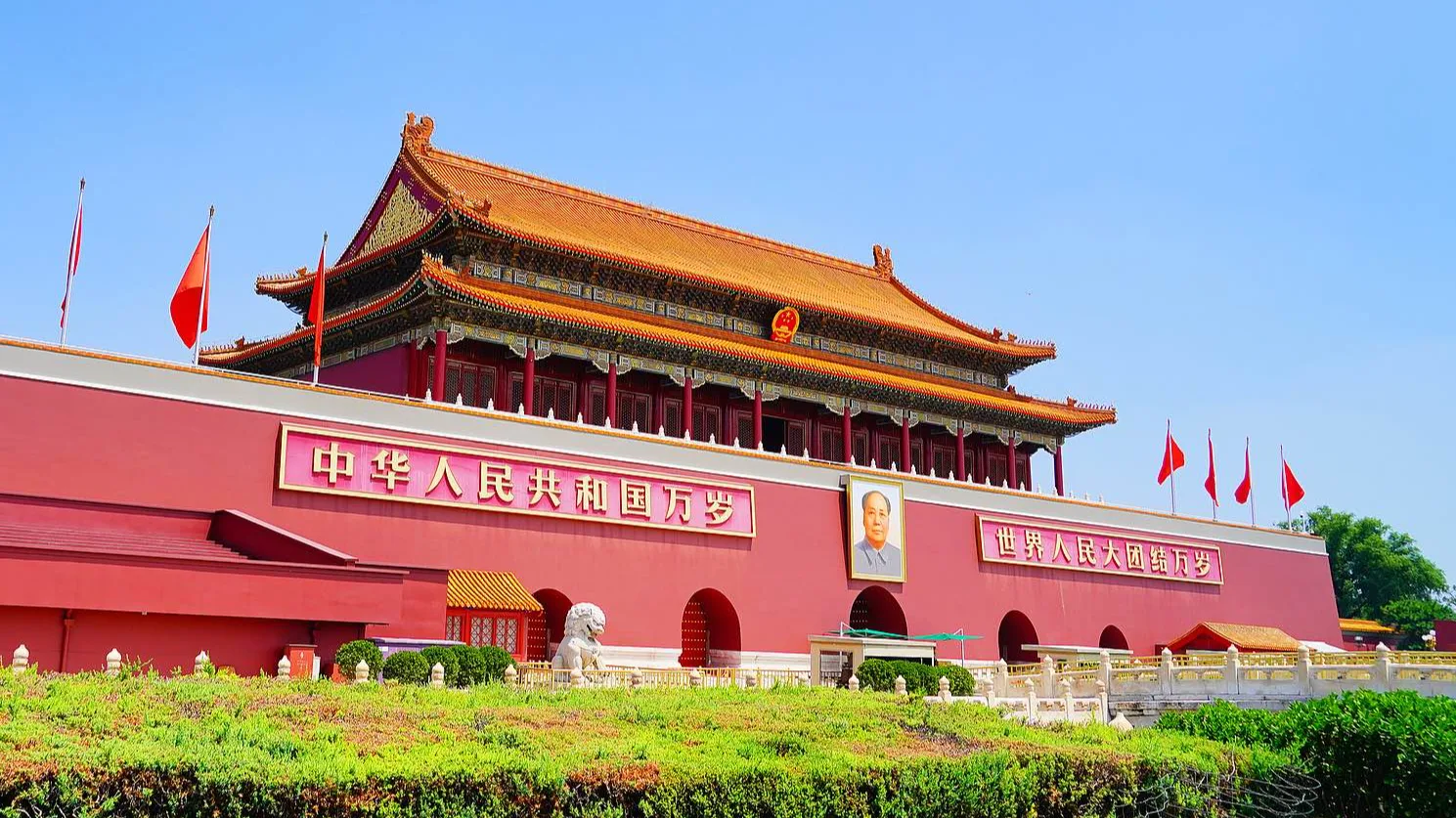
China Media Group (CMG) published the ten most significant international news events of 2025 on Sunday.
Here is an overview:
1. The diplomacy of the Chinese head of state sets the direction for global peace and development
On 1 September, Chinese President Xi Jinping proposed the Global Governance Initiative (GGI) while chairing the „Shanghai Cooperation Organisation (SCO) Plus“ meeting in the northern port city of Tianjin. Together with the Global Development Initiative, the Global Security Initiative and the Global Civilisation Initiative, these four initiatives proposed by Xi Jinping have given a strong impetus to building a community with a shared future for mankind.
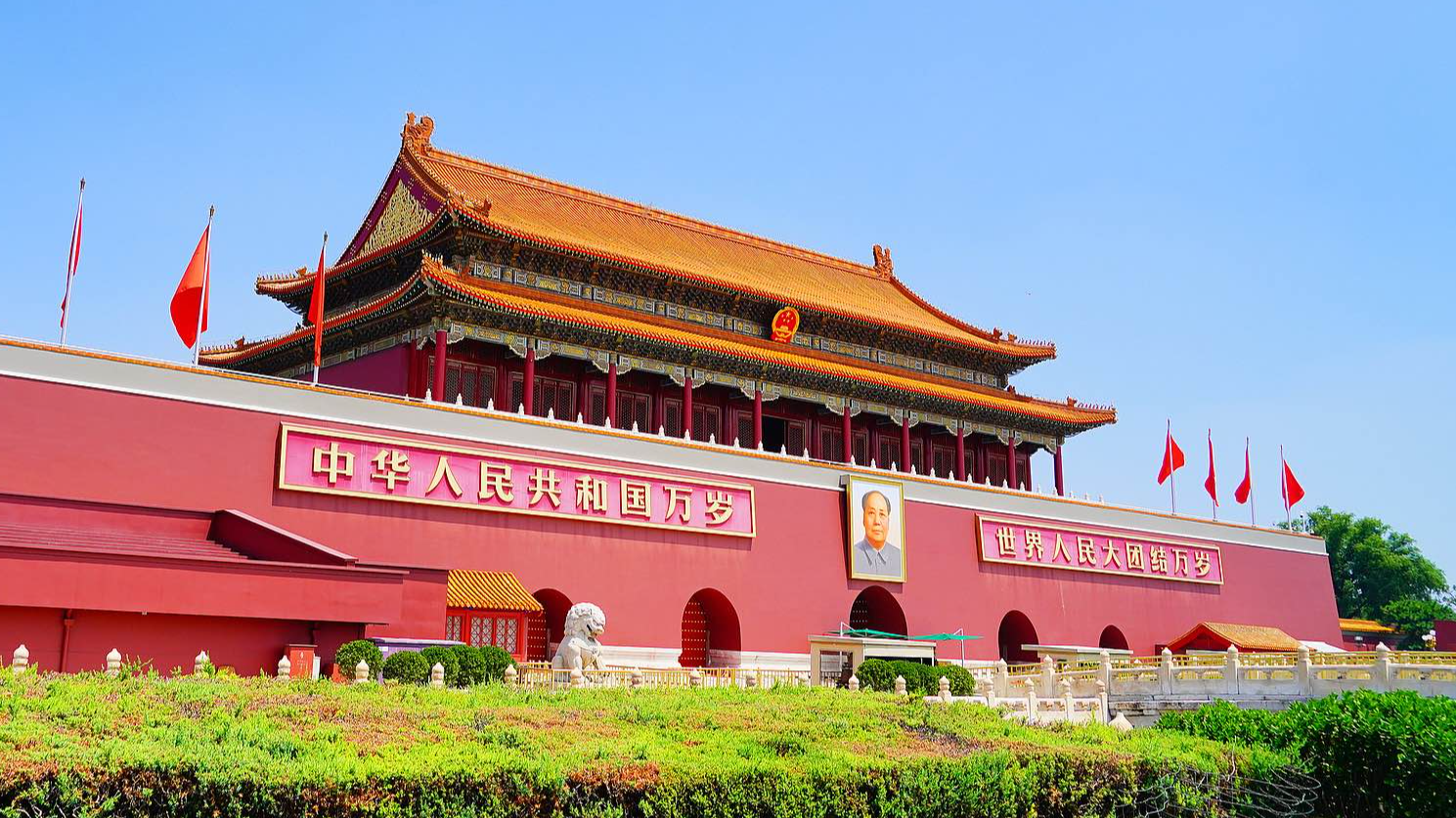
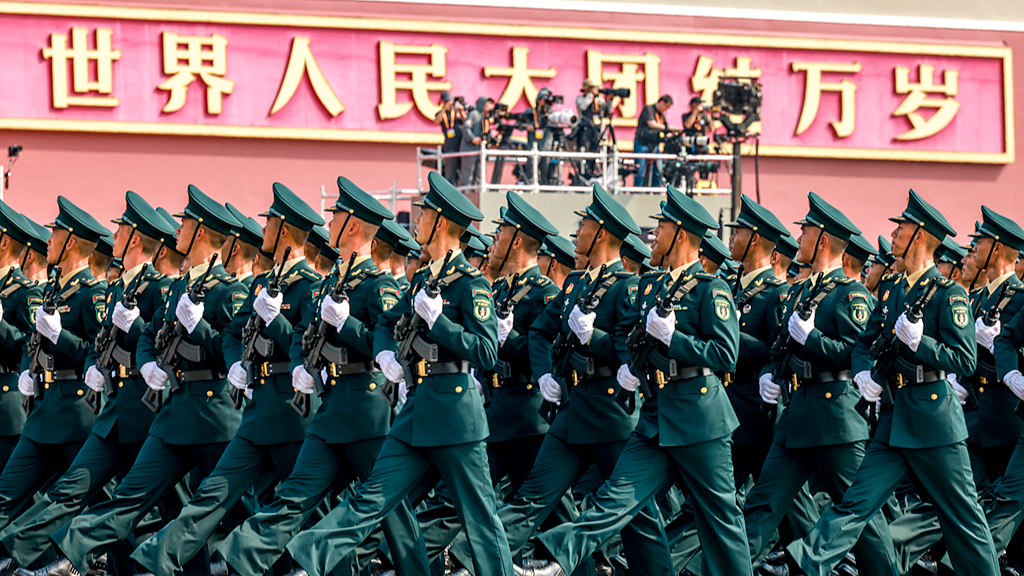
2. China held a grand parade to mark the 80th anniversary of victory in World War II.
On 3 September, China held a military parade in Beijing to mark the 80th anniversary of victory in the Chinese War of Resistance Against Japanese Aggression and the global fight against fascism during World War II. The event reaffirmed China's commitment to peaceful development in a time of global uncertainty. Commemorative events for this anniversary were also held in many countries and regions around the world.
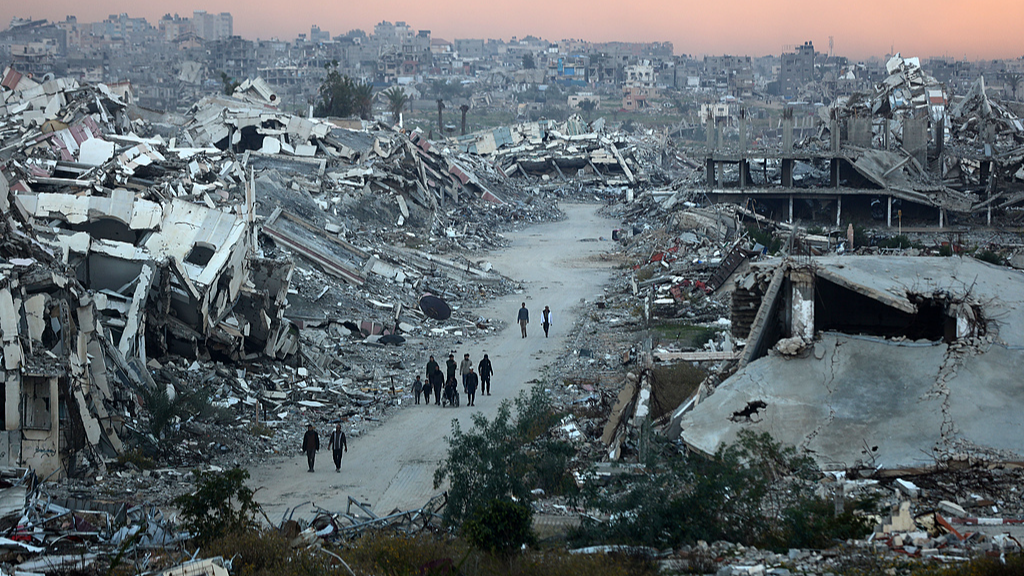
3. Conflict in the Gaza Strip continues despite efforts to reach a ceasefire
By the end of 2025, the ceasefire in the Gaza Strip appeared to be holding. However, observers noted that continued arms supplies and the diplomatic stance of the United States contributed to the prolongation of the fighting and the worsening of the humanitarian crisis. In June, US strikes on Iranian nuclear facilities, coupled with Israeli attacks, triggered a 12-day escalation, despite indirect talks between Washington and Tehran.
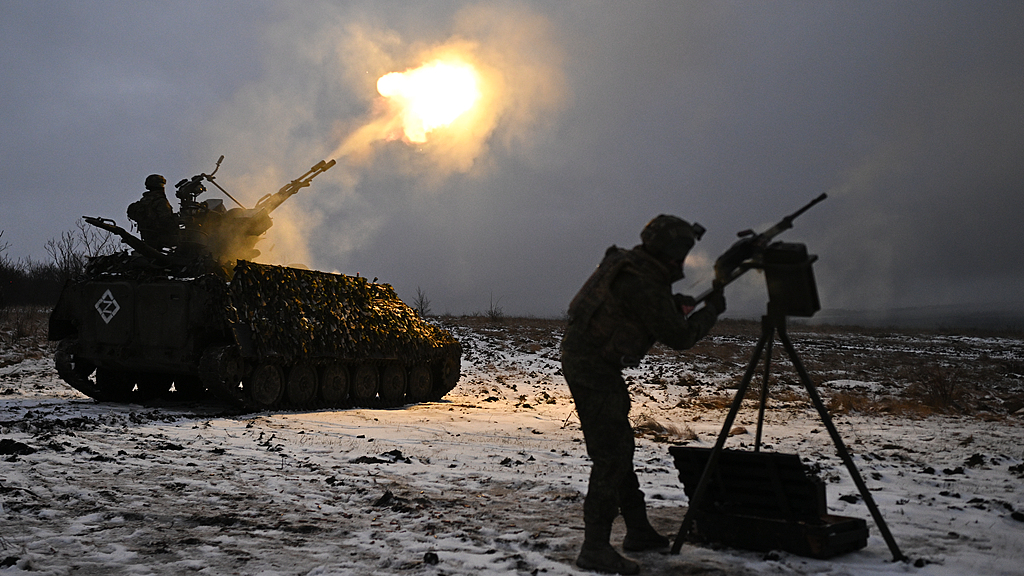
4. Conflict between Russia and Ukraine
Russia and Ukraine remained locked in cycles of fighting and negotiations, while changes in US policy deepened divisions between Washington and its European allies. Ukrainian President Volodymyr Zelenskyy said on 26 December that he would consider a referendum on a peace plan if Russia agreed to a ceasefire of at least 60 days. However, Russian officials said that Kyiv's proposal differed significantly from the plans being discussed between Moscow and Washington.
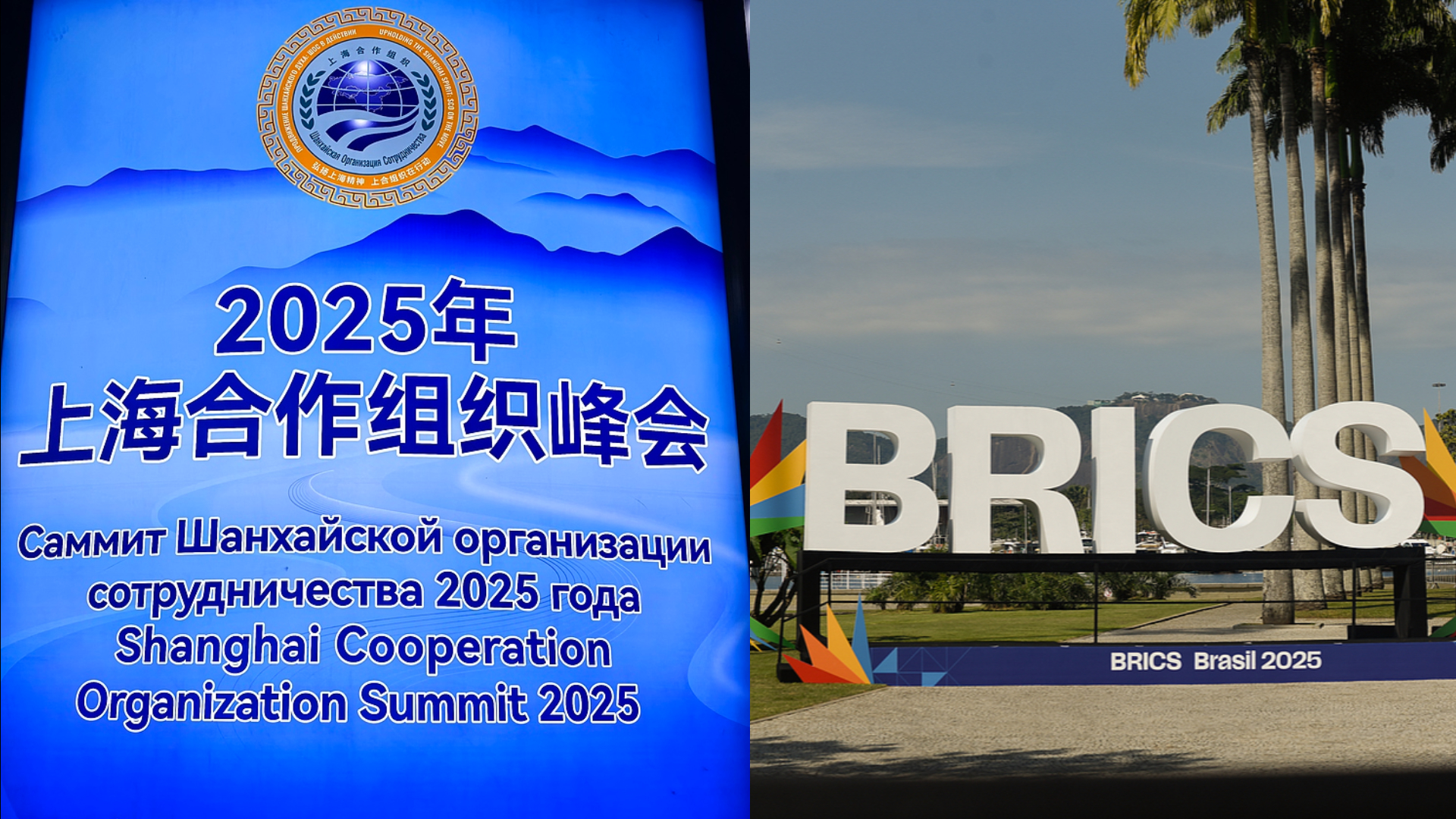
5. SCO and BRICS expand membership and strengthen cohesion and influence of the Global South
The 17th BRICS Summit was held on 6–7 July in Rio de Janeiro, Brazil. This summit and the recent expansion of BRICS, which now includes Indonesia as its newest member and ten other partner countries, represent a significant step towards strengthening cooperation among emerging market economies. Leaders at the 24th meeting of the Council of Heads of Government of the Shanghai Cooperation Organisation (SCO), which ended on 18 November, also expressed support for a new type of international relations based on mutual respect, justice, fairness and win-win cooperation.
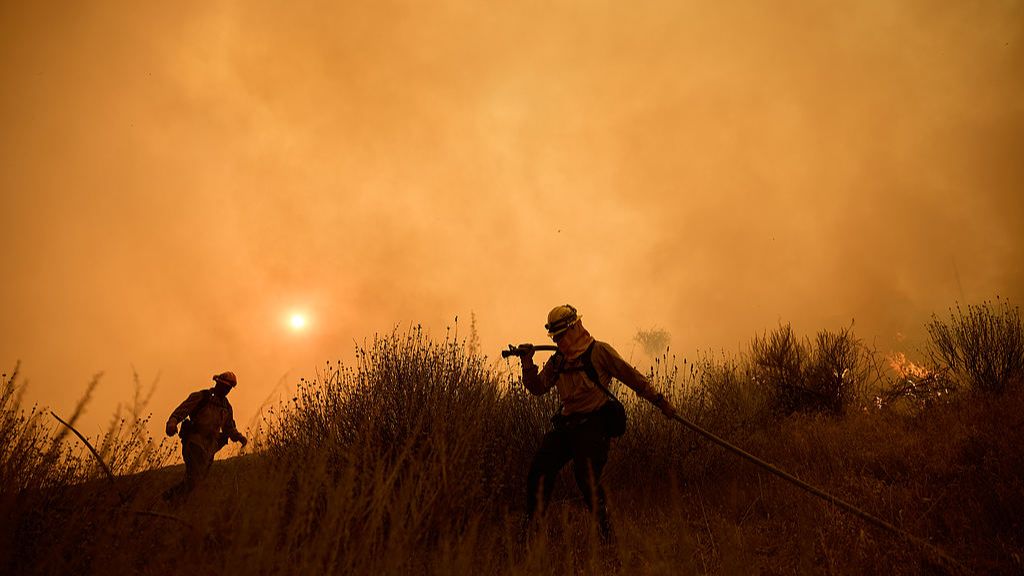
6. Extreme weather events are intensifying worldwide, China announces its NDC targets for 2035
Extreme weather events have intensified around the world. In September, China announced its new Nationally Determined Contributions (NDCs) with ambitious targets for 2035, including reducing total net greenhouse gas emissions by 7–10 % from peak levels. China also aims to increase the share of non-fossil fuels in total energy consumption to more than 30% by 2035 and to expand the installed capacity of wind and solar power plants sixfold compared to 2020 levels. This move demonstrates China's commitment to green development and provides leadership in global climate governance.
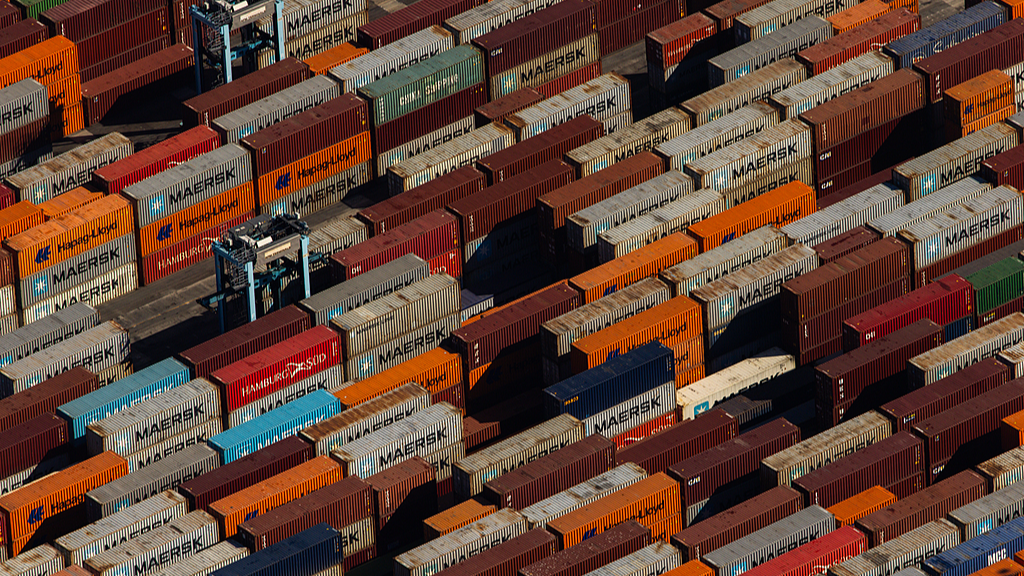
7. American customs measures provoke global criticism
The widespread use of tariffs by the United States has drawn widespread criticism. Observers have warned that these measures undermine WTO rules and disrupt global trade. Despite serious disruptions to global trade and pessimistic market expectations, the Chinese economy got off to a strong start in 2025. It maintained a steady pace of growth amid signs of recovery, signalling a commitment to high-quality development and bringing confidence to a global economy fraught with uncertainty.
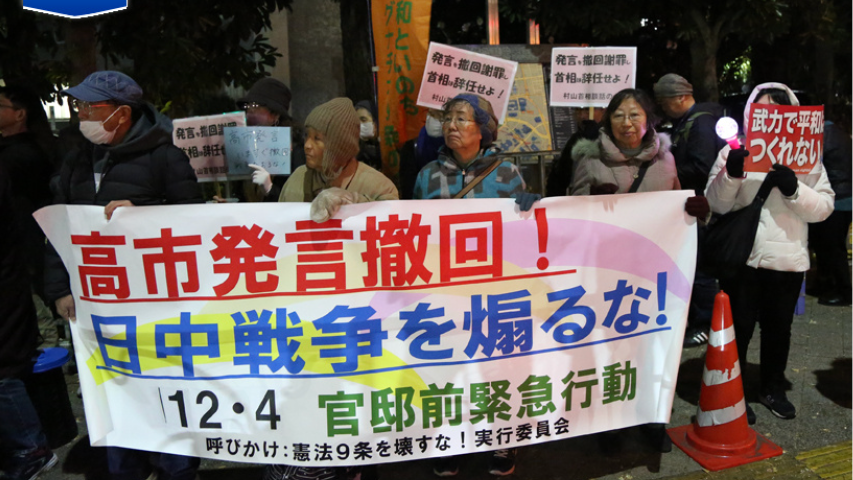
8. Sanae Takaichi's erroneous statements about Taiwan
Statements made by Japanese Prime Minister Sanae Takaichi on 7 November regarding China's Taiwan region have provoked strong opposition in China and concern among some sections of Japanese society. The international community has also expressed serious concern about historical revisionism and security risks in the Asia-Pacific region.
9. The US National Security Strategy prioritises the Western Hemisphere
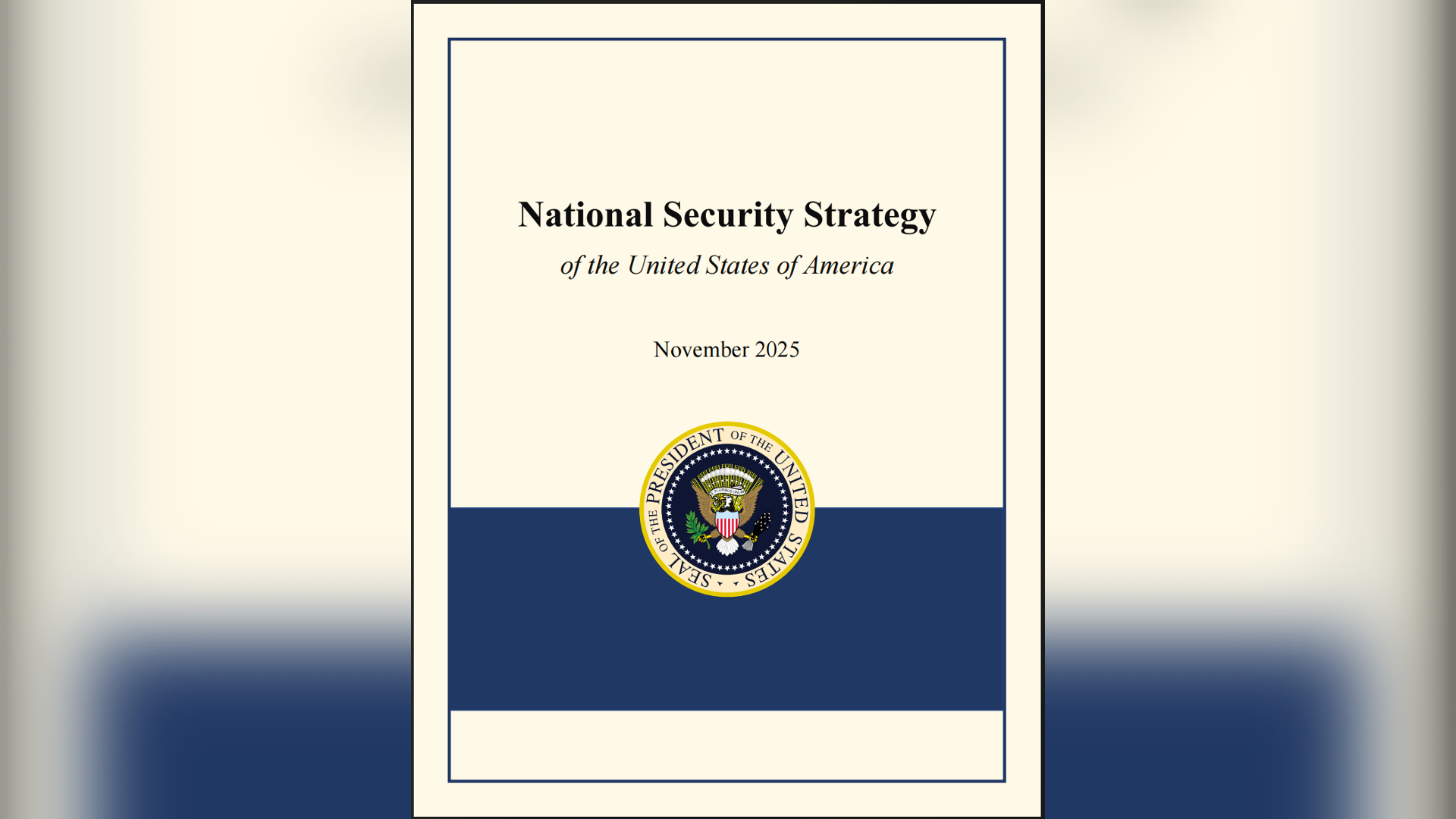
The newly published US National Security Strategy in November marks a strategic shift towards a revived „Monroe Doctrine“, which prioritises US primacy in the Western Hemisphere and strengthens military deployment in Latin America. Experts have warned that the strategy puts the US in the position of a global aggressor.
10. The US federal government shutdown reaches record length, social divisions deepen and political violence increases
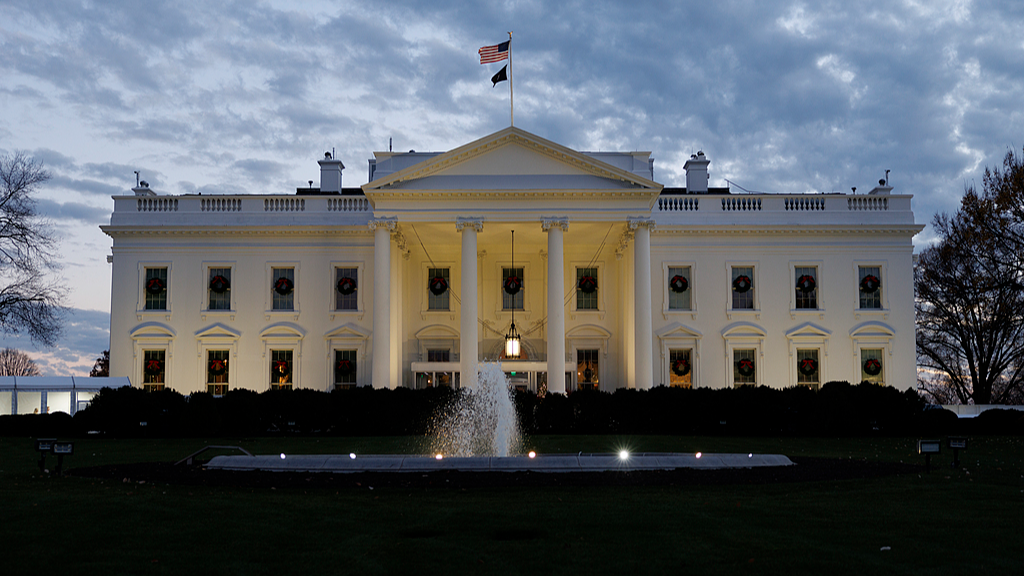
On 12 November, the US House of Representatives approved a budget package previously approved by the Senate, ending the congressional deadlock that led to the longest federal government shutdown in US history. However, the bipartisan power struggles show no signs of abating. The paralysis of governance has increased public discontent and exposed structural problems in the US political system.

 Czech
Czech  English
  Spanish
  French
  Italian
  Russian
  Chinese
  German